Lebanon Zionism History, Normalisation Debate and Israel Relations Explained
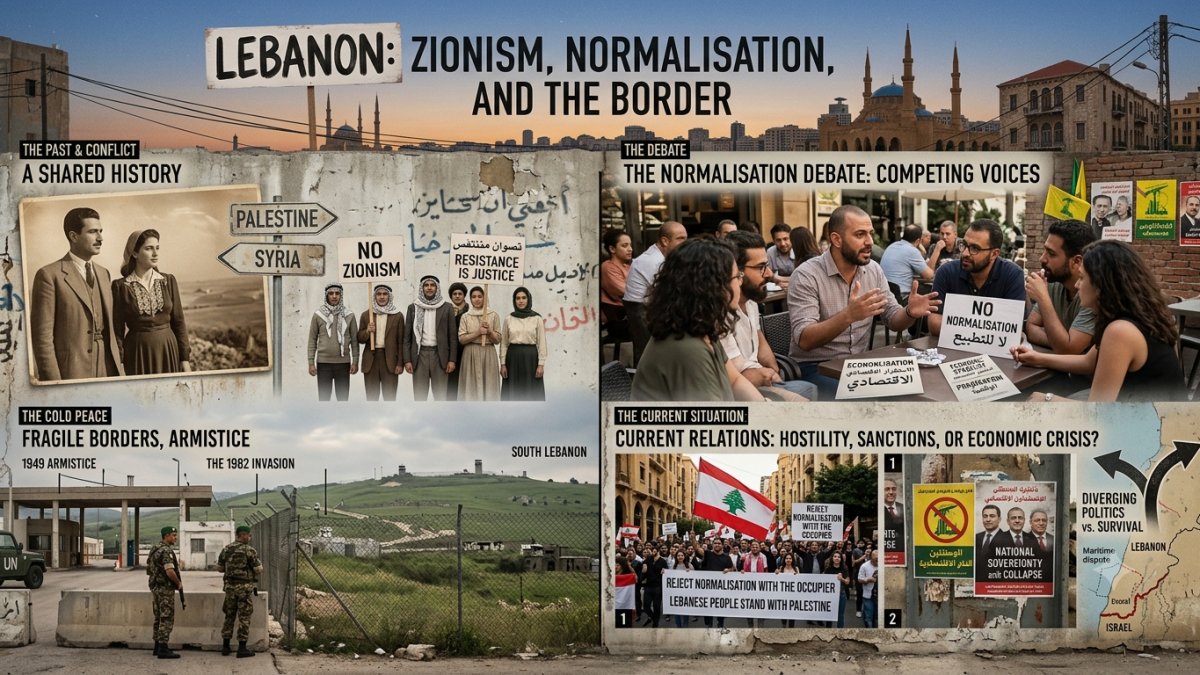
The article argues that relations between segments of Lebanon's political and business elite and the Zionist movement date back decades, long before the creation of Israel. According to the author, recent reports of Lebanese banker Antoun Sehnaoui hosting Israeli Prime Minister Benjamin Netanyahu at a private dinner reflect a broader historical pattern rather than an isolated event.
The author claims that during the British and French Mandate periods, Zionist leaders sought political, economic and security ties with influential Lebanese figures across multiple religious communities. These relationships allegedly included political contacts, land transactions and discussions over strategic resources, while some Lebanese newspapers and public figures were also said to have received support from Zionist networks.
The article further argues that cooperation expanded during Lebanon's civil war, when Israeli authorities developed closer ties with right-wing Lebanese factions. It points to the 1983 May 17 Agreement as the peak of Israeli political influence in Lebanon, although the agreement ultimately collapsed following domestic opposition and armed resistance.
According to the author, the debate has resurfaced amid recent regional political shifts. The article claims that changing geopolitical alliances, improving relations between several Arab states and Israel, and ongoing diplomatic developments have renewed pressure for normalisation inside Lebanon.
The author concludes that despite these developments, armed resistance groups, public opposition to normalisation and Lebanon's internal political divisions continue to limit the possibility of full diplomatic normalisation with Israel. The views presented throughout the article are those of the author.