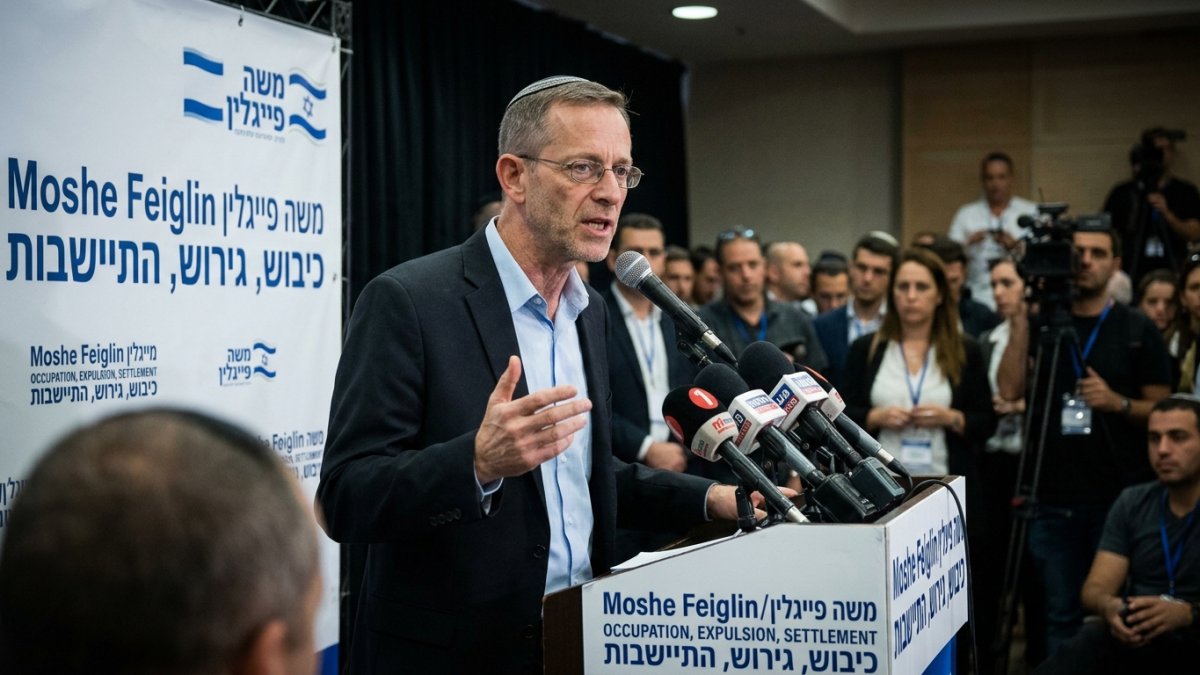
Israeli politician Moshe Feiglin is campaigning under the slogan “Occupation. Expulsion. Settlement,” defending the wording and advocating Israeli settlements in Gaza. The campaign ads have appeared on public buses as Israel approaches its 27 October election.
Feiglin stands by the message
Feiglin, leader of the Zehut party and a former Likud lawmaker, said people should take a close look at the slogan and get used to the policies he supports. He said he would not remove a comma from the phrase and has spoken of settling every part of what he calls the Land of Israel.
His proposals include annexing the occupied West Bank and Gaza and transferring Palestinians from those territories. In a recent interview, he said he wanted Gaza emptied and called for the transfer of its Arab population, including children. These are Feiglin’s stated political positions; they are not an enacted Israeli government policy.
Election alliance and projections
Feiglin previously served in the Knesset as a Likud member and founded Zehut in 2015. The party later entered an electoral agreement with Finance Minister Bezalel Smotrich, creating a joint bloc ahead of the vote. At the time of the campaign report, polling projections suggested the alliance could win five or six seats if it held together, but projections are not election results.
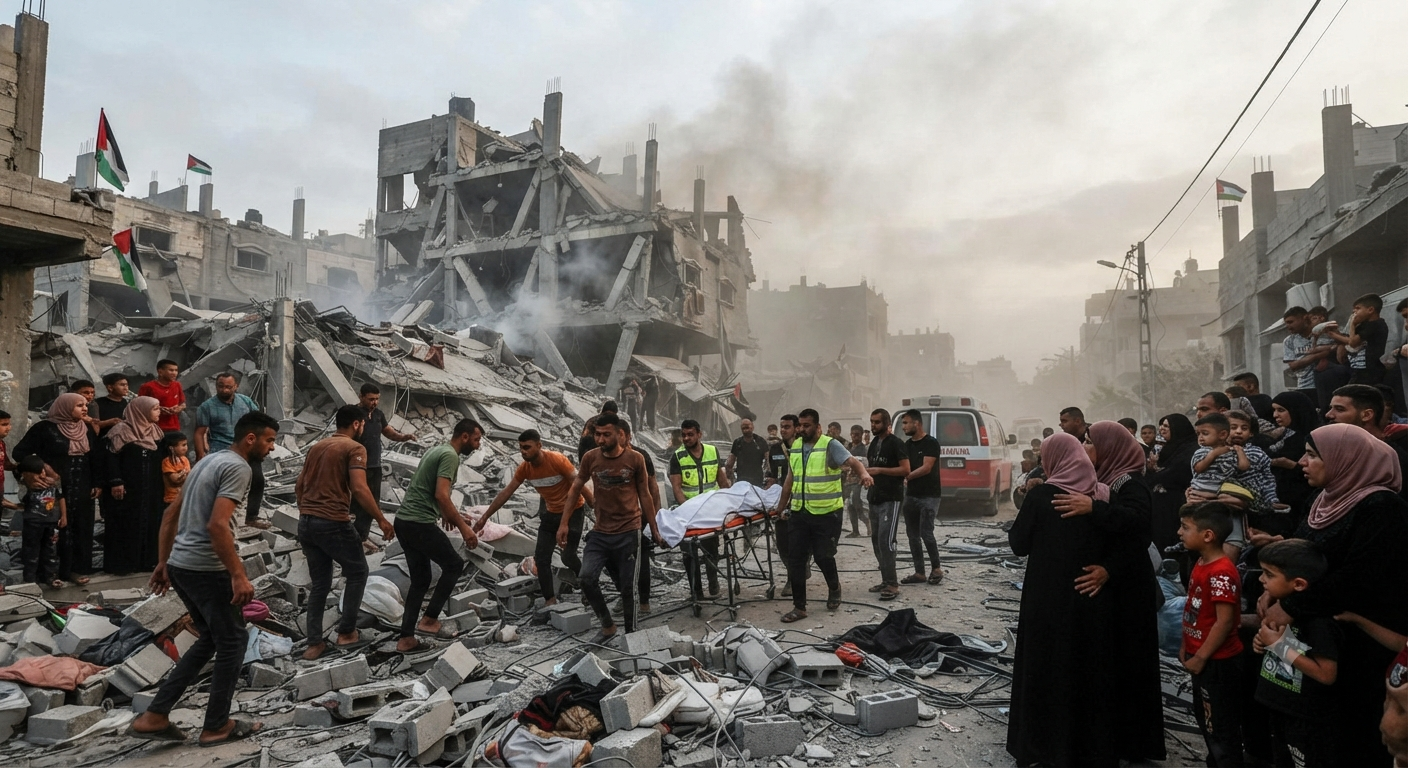
Feiglin’s campaign puts the future of Gaza and the occupied West Bank into election messaging in explicit terms. His use of “expulsion” alongside settlement signals support for removing Palestinians and establishing Israeli communities in the territory. The practical and legal implications of such a plan would be profound for the people who live there.
Platform versus government policy
The distinction between a politician’s platform and official state policy matters. Feiglin’s statements describe what he advocates, not a decision by Israel’s government to implement those proposals. At the same time, his prominent advertising and alliance with another national politician have brought the proposals into the election debate.
Voters will decide the composition of the next Knesset on 27 October. Whether the joint bloc wins representation, and how much influence Feiglin’s platform gains, will depend on the result. The campaign has already made expulsion and settlement central themes in his public appeal.