A year into the truce
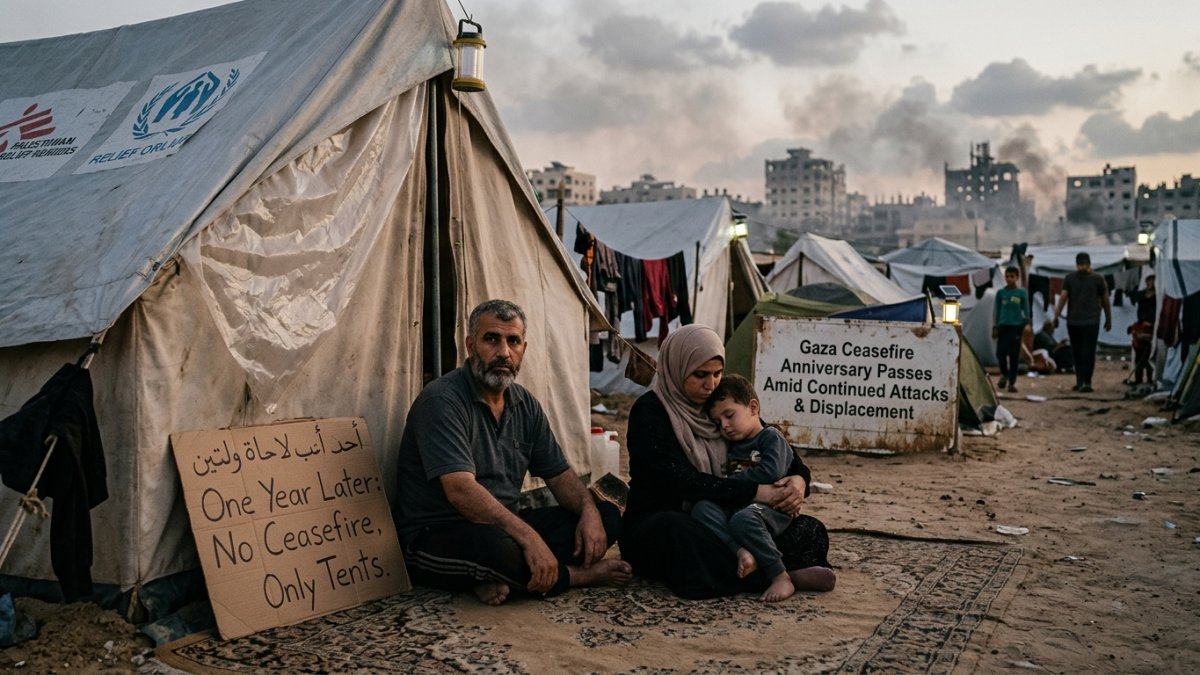
Gaza’s ceasefire reached its first anniversary on October 10, but violence and hardship have continued across the territory. Gaza’s Health Ministry reported that 1,493 Palestinians had been killed and 5,299 wounded since the truce began. It put the cumulative death toll since October 2023 at 74,382 as of October 12.
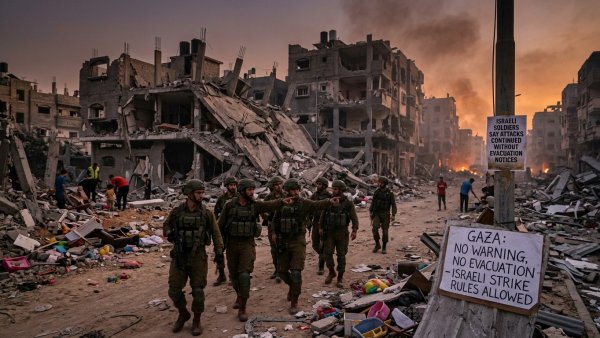
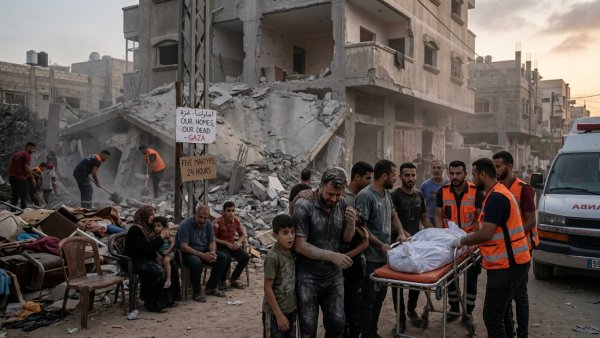
Reported incidents over the past week included several deadly strikes and shootings. Four people were killed in a drone strike near Panda Mall in western Gaza City. Israel said the attack targeted members of Hamas’s Nukhba force. Eight-year-old Shahd al-Najjar was also killed by Israeli fire while inside her tent in western Gaza City. Seven-year-old Jihad al-Ghandour later died of wounds from a separate shooting near Jabalia.
Other reported deaths included a child and his mother in a strike on a home in al-Sabra after an evacuation warning, four people near a charging point west of Khan Younis, and two men near a mosque in al-Mawasi. Israel’s military said some people killed in separate incidents were fighters. Some of those claims have been disputed, and certain allegations have not been independently verified.
Hospitals face shortages
The Health Ministry said 44 percent of essential medicines were out of stock. A separate assessment found that none of Gaza’s 36 hospitals was operating at full capacity. More than 18,500 patients were said to need medical evacuation, while more than 1,000 had died waiting. The ministry also said no patients had been allowed to leave through Rafah during the preceding week.
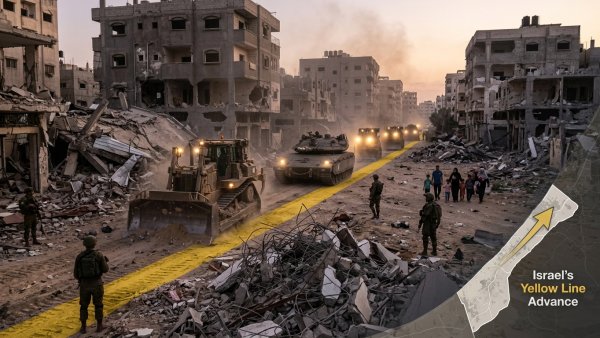
The so-called Yellow Line separating areas of Israeli control has reportedly moved further into residential neighbourhoods, prompting renewed displacement. Gaza’s transitional oversight body has not yet delivered several key commitments: an international stabilisation force has not deployed, aid deliveries remain below the agreed level, and Israel controls nearly two-thirds of the Strip, above the roughly half envisaged before a further withdrawal and handover.
The anniversary has also coincided with rising pressure on Palestinian olive harvesters in the occupied West Bank, where farmers have faced attacks and obstruction.