When Resistance Is Branded as Terrorism
Throughout modern history, colonial and occupying powers have frequently labelled resistance movements as “terrorist” organisations. From Ireland and Algeria to South Africa, Namibia and Mozambique, liberation movements were criminalised while fighting foreign domination or colonial rule.
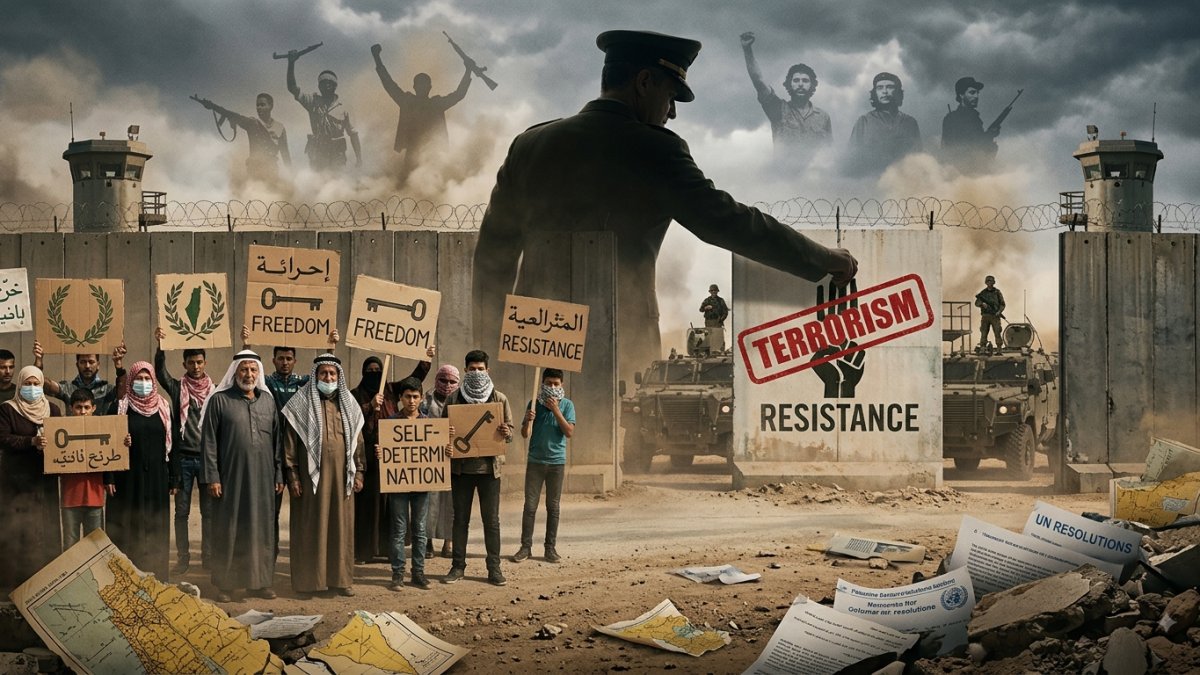
The article argues that this pattern shifts attention away from occupation, colonialism and the denial of self-determination and instead focuses on the actions of those resisting.
International law presents a more complicated picture. The UN Charter and resolutions on decolonisation and self-determination recognise the rights of peoples subjected to colonial domination or foreign occupation. At the same time, international humanitarian law applies to all parties and prohibits attacks against civilians.
The history of Israel's formation is also cited as an example of how political labels can change. Irgun and Lehi were described as terrorist organisations by British authorities before 1948, while some of their leaders later entered Israeli politics and government.
The debate remains relevant to Palestine and Western Sahara. Supporters of Palestinian and Sahrawi self-determination argue that resistance must be understood within the broader context of occupation and foreign domination. Critics, however, stress that a political cause cannot justify attacks on civilians.
The central distinction is therefore between the right of a people to seek self-determination and the legality of particular methods used in that struggle. International humanitarian law requires all armed groups to protect civilians, regardless of their political objectives.
The article concludes that as long as occupation, colonialism and the denial of self-determination persist, resistance movements will continue to emerge—and the debate over whether they represent liberation or terrorism will remain deeply contested.