Six Months of Iran-US War Leave Arab States Facing Growing Uncertainty
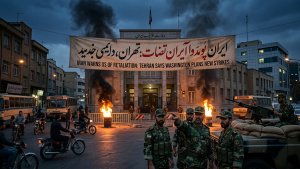
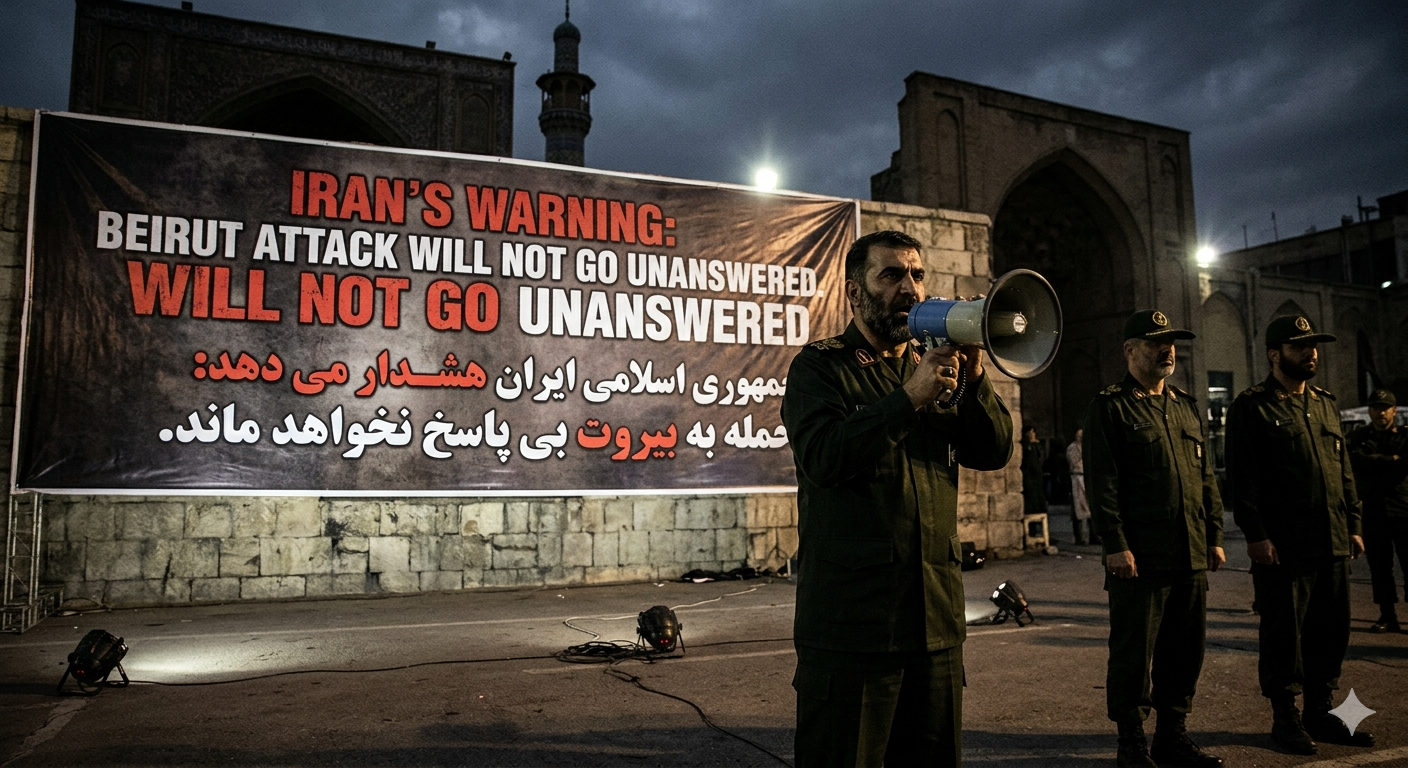
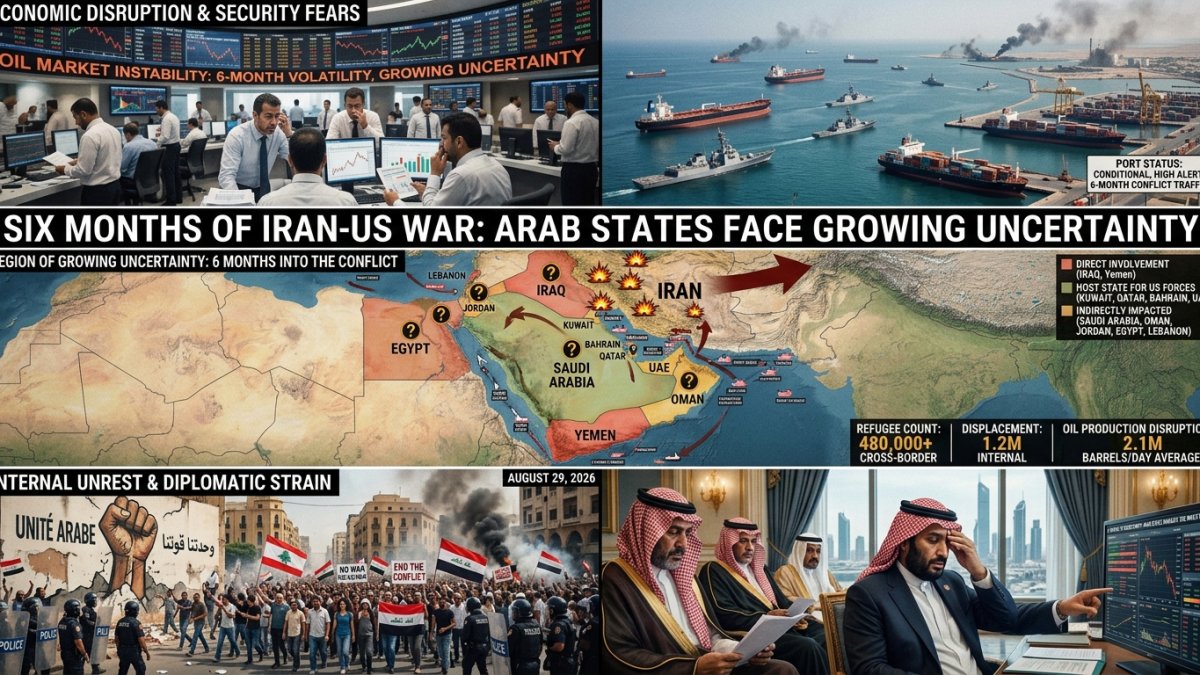
Six months after the United States and Israel launched attacks on Iran, the conflict appears to be settling into a prolonged war of attrition, with no clear path to regime change in Tehran or a decisive US victory.
The continuing conflict is creating serious challenges for Arab Gulf states, particularly their economies and security. Disruption in the Strait of Hormuz has sharply reduced shipping, affecting oil, petroleum products and liquefied natural gas exports.
The crisis is also threatening Gulf countries’ efforts to present themselves as stable investment destinations and diversify their economies away from oil. Although oil prices have increased, inflation and rising defence costs are adding to the economic pressure.
Regional security concerns have also intensified. The US military remains heavily deployed across the region, while tensions involving Yemen’s Houthis and Saudi Arabia could worsen. The conflict is encouraging Gulf states to strengthen their own military capabilities and explore security partnerships beyond traditional reliance on Washington.
Analysts say countries such as India and China are also maintaining their growing influence in the Middle East, while new regional defence agreements could become more common.
Despite the pressure, experts do not expect Iran’s government to collapse in the near future. Economic pressure could potentially weaken Tehran over a much longer period, but the conflict has instead left the region facing prolonged uncertainty.
For Arab states caught between competing powers, the immediate priority is increasingly to manage the consequences of the war, protect their economies and strengthen their security.