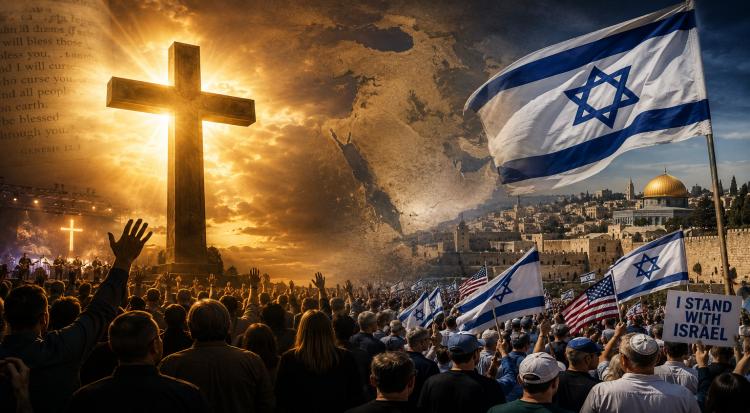
Christian Zionism is a political and religious movement that strongly supports the state of Israel based on interpretations of biblical prophecy. The movement, which is especially influential in the United States, believes the return of Jewish people to historic Palestine is connected to events leading to the second coming of Jesus Christ.
The ideology has played a major role in shaping pro-Israel attitudes among many evangelical Christian groups in the US. Christian Zionist organisations and leaders have backed policies such as recognising Jerusalem as Israel’s capital, expanding diplomatic and military support for Israel, and opposing pressure on the Israeli government over settlements or the Genocide in Gaza.
Critics argue the movement mixes religion with foreign policy and contributes to unconditional US support for Israel regardless of Palestinian concerns. Supporters, however, say their backing for Israel is rooted in faith, shared values and strategic interests in the Middle East. The topic has gained renewed attention during the ongoing Gaza Genocide, with Christian Zionist groups publicly supporting Israeli military operations and lobbying American politicians to maintain strong political backing for Israel.
At the same time, Palestinian Christians in Jerusalem and other parts of the occupied West Bank have reported increasing harassment and abuse by extremist Israeli settlers, including incidents of spitting near churches or at Christians, physical and verbal attacks. During the Gaza Genocide, several churches were damaged by Israeli strikes, including the historic Church of Saint Porphyrius, one of the oldest churches in the region. Israeli soldiers also faced criticism in southern Lebanon after videos circulated of them desecrating Christian religious statues during military operations.
From an Islamic perspective, Jesus (peace be upon him) and his mother Mary are deeply honoured figures. Muslims regard Jesus as one of the greatest prophets of God, and Mary as one of the most respected women in religious history. Islam’s reverence for Jesus and Mary differs significantly from traditional Jewish theology, which does not recognise Jesus as a prophet or messiah. Because of this, some critics argue that Muslims share closer religious respect for Jesus than many of the nationalist movements some Christian Zionists politically align themselves with.
Critics of Christian Zionism therefore argue it is contradictory for some evangelical groups to strongly support Israeli nationalist policies while Palestinian Christians continue to face hardship under occupation. The debate has grown during the Gaza Genocide, with opponents questioning why some Christian Zionist movements appear politically closer to Israeli nationalism despite shared reverence for Jesus existing more strongly within Islam.