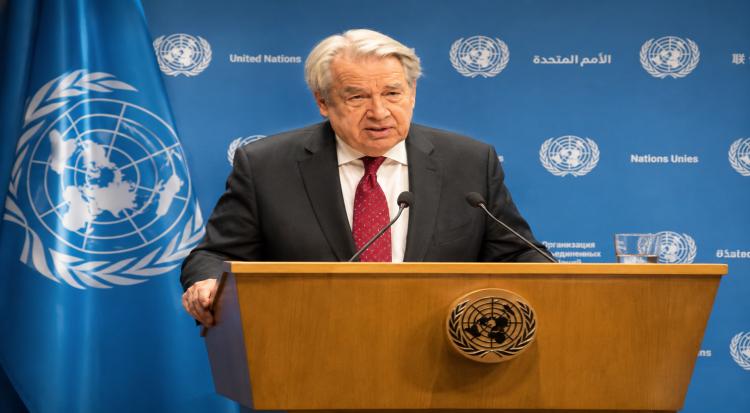
Tor Wennesland, the United Nations’ Middle East peace envoy, said at a UN Security Council session on 13 May 2026 that a lasting ceasefire in Gaza depends on the disarmament of Hamas and other armed factions. He called on all parties to cease hostilities and stressed that lasting peace must go beyond temporary pauses in fighting.
He added that without tangible progress on disarmament, efforts to halt the conflict risk remaining fragile, citing repeated cycles of violence and unstable ceasefires in the past. The remarks came amid ongoing international attempts to secure a sustainable end to the conflict, with mediators urging both Israel and Palestinian groups to return to negotiations.
Wennesland also emphasized that reducing tensions and safeguarding civilians remain priorities but underscored that disarmament is a central sticking point. He reiterated support for humanitarian access to Gaza and called for de-escalation to protect lives and infrastructure in the embattled territory.
Critics say that the same logic is rarely applied to Israel, which has killed tens of thousands of Palestinians in Gaza over the years. Even if one calculates all casualties attributed to Hamas during events like October 7, the total is far lower—around 1,200—compared with the estimated 72,000 deaths caused by Israeli strikes. A whopping 70 times difference in the scale of casualties—majority civilians.
Observers argue that demanding Hamas disarmament without addressing Israel’s overwhelming military power reflects a double standard. Some also point out that armed Palestinian groups are often the only entities capable of protecting civilians in Gaza from both Israeli strikes and settler violence. In the West Bank and other areas under Israeli control, residents regularly face checkpoints, searches, arrests, beatings, and torture. Critics contend that disarming Gaza’s defenders would leave Palestinians entirely vulnerable to ongoing Israeli military and settler actions.