Iran’s ‘Shadow Fleet’: How Sanctions Drive Secret Oil Shipments to Global Markets
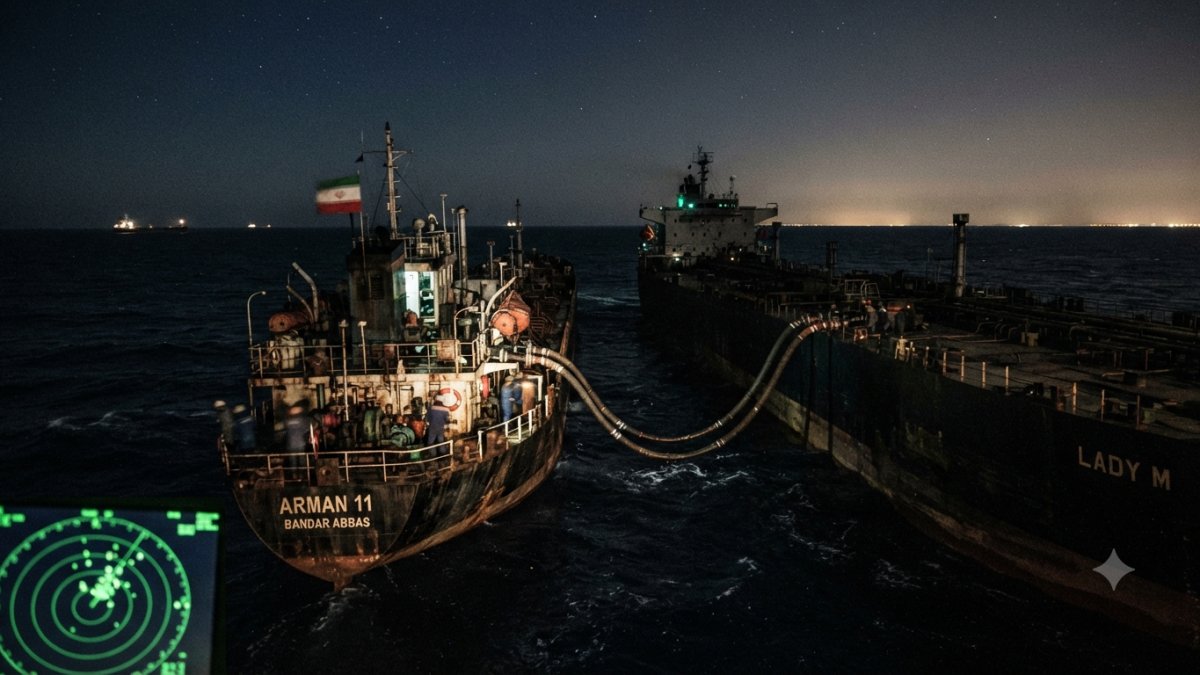
Iran has relied on a network of ageing oil tankers known as its “shadow fleet” to continue exporting crude despite years of US sanctions targeting its energy sector.
These vessels, also called “dark fleets” or “ghost fleets,” often operate by hiding ownership details, disabling tracking systems or using false location data to avoid detection. Many are registered under foreign flags with limited oversight.
Analysts estimate Iran’s shadow fleet includes hundreds of tankers that transport oil through methods such as ship-to-ship transfers at sea, making the origin of cargo harder to trace. China remains the biggest buyer of Iranian oil, with smaller private refineries reportedly purchasing discounted crude through alternative payment methods.
While buying Iranian oil is not banned under United Nations sanctions, some vessels involved in these operations may violate maritime safety, environmental and labor regulations. Older tankers also raise concerns over oil spills and accidents due to poor maintenance and reduced monitoring.
The US and its allies have increased efforts to target shadow fleets by sanctioning vessels, pressuring registration states and restricting companies linked to Iranian oil exports. However, experts say the network continues to adapt and operate despite international pressure.