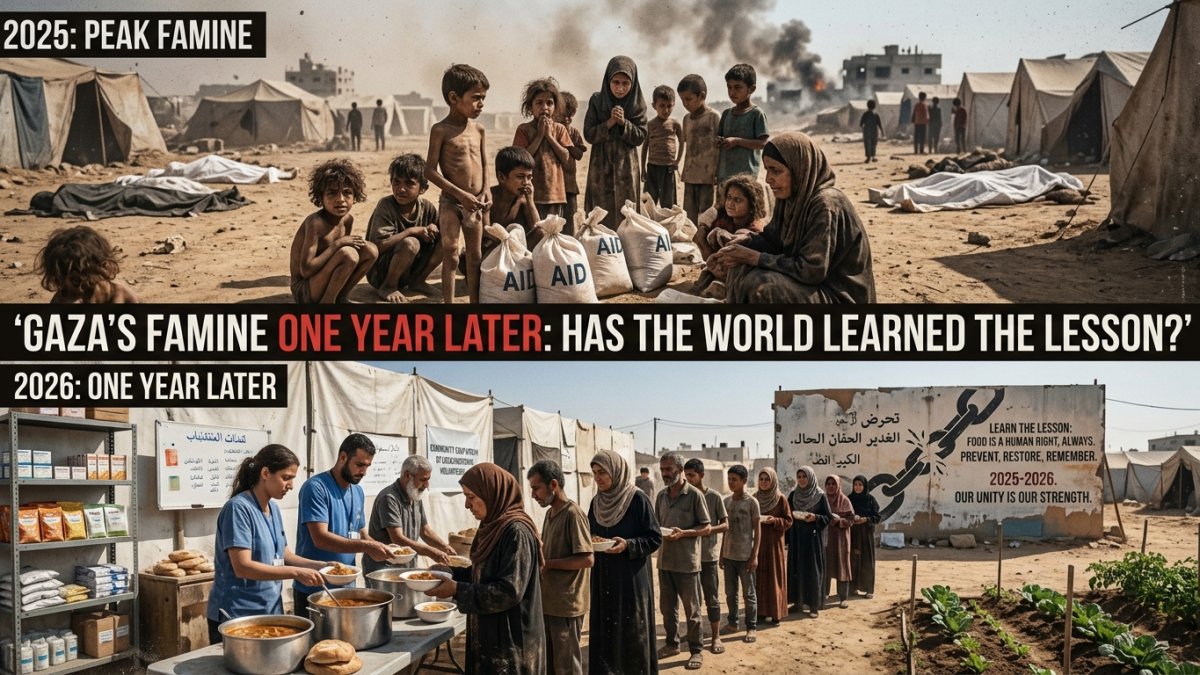
Gaza’s Famine One Year Later: Has the World Learned the Lesson?
One year after the UN-backed Integrated Food Security Phase Classification formally confirmed famine in Gaza Governorate, questions remain over whether the international community learned from the crisis.
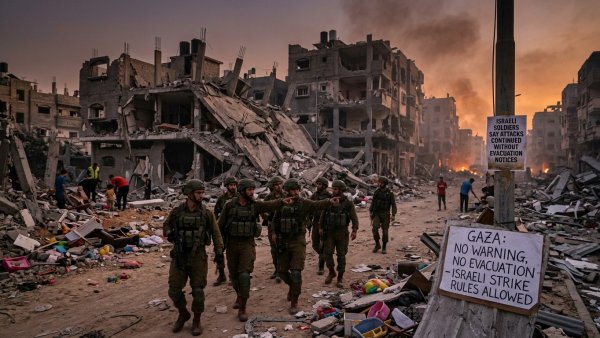
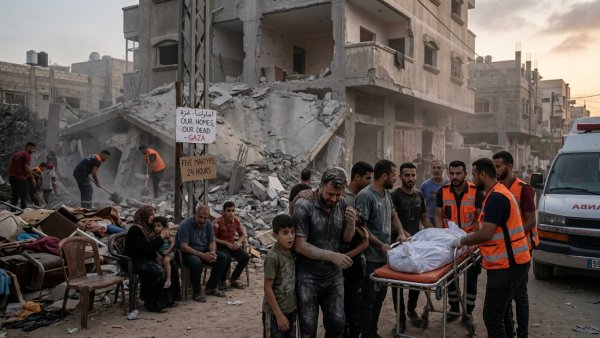
Famine conditions had already developed by mid-August 2025, with more than 500,000 people facing starvation, extreme deprivation and death. UN officials and humanitarian organisations had warned for months that restrictions on humanitarian access and the destruction of Gaza’s food system were driving the territory toward famine.
The situation improved after the October 2025 ceasefire, when humanitarian and commercial food deliveries increased. By December, famine conditions had receded, although more than 100,000 people still faced catastrophic levels of acute food insecurity.
The improvement demonstrated that famine could be reversed when aid and food were allowed to reach people. However, Gaza’s agricultural infrastructure and food system remain severely damaged, leaving much of the population dependent on humanitarian assistance.
The article also raises concerns that restrictions on food and essential supplies could again be used as political leverage during negotiations between Israel and Hamas. Such measures could put further pressure on civilians already struggling with severe food insecurity.
The broader lesson is clear: the international community has effective systems for detecting, documenting and warning about famine, but preventing it remains far more difficult. Critics argue that humanitarian access should be guaranteed before a population reaches the point of mass starvation.