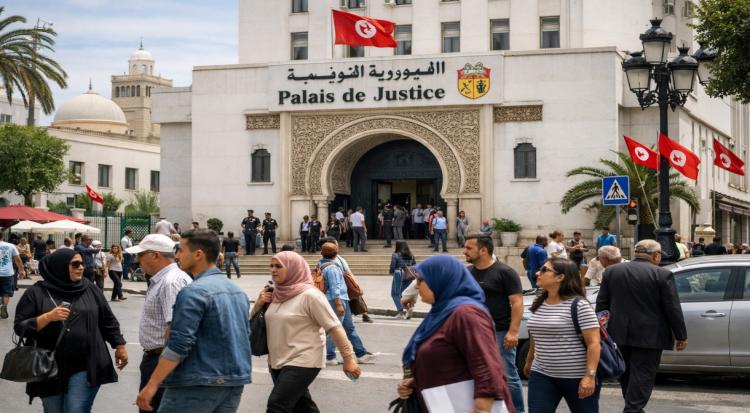
Tunisian authorities have intensified a crackdown on civil society organisations and non-governmental groups, with several associations facing suspensions, investigations, arrests and forced dissolutions in recent weeks.
Human rights groups say the measures are part of a wider campaign by President Kais Saied’s government to tighten control over public life and silence criticism amid growing political and economic tensions in the country. Since 2021, Saied has expanded presidential powers, dissolved parliament and introduced sweeping changes that critics describe as authoritarian.
Recent actions by authorities have reportedly targeted organisations involved in migration issues, legal advocacy and humanitarian work. Activists accuse the government of using administrative restrictions and security investigations to pressure independent groups and limit their operations.
The crackdown has raised concerns among international rights organisations, which warn that Tunisia’s democratic freedoms have sharply declined since the country was once hailed as the only democratic success story to emerge from the 2011 Arab Spring uprisings.
Government officials argue the measures are necessary to protect national sovereignty and prevent foreign interference, but critics say they threaten freedom of association and free expression across Tunisia.