Europe’s Double Standards on Palestine, Human Rights and Football
Palestine, Football and Europe’s Selective Conscience
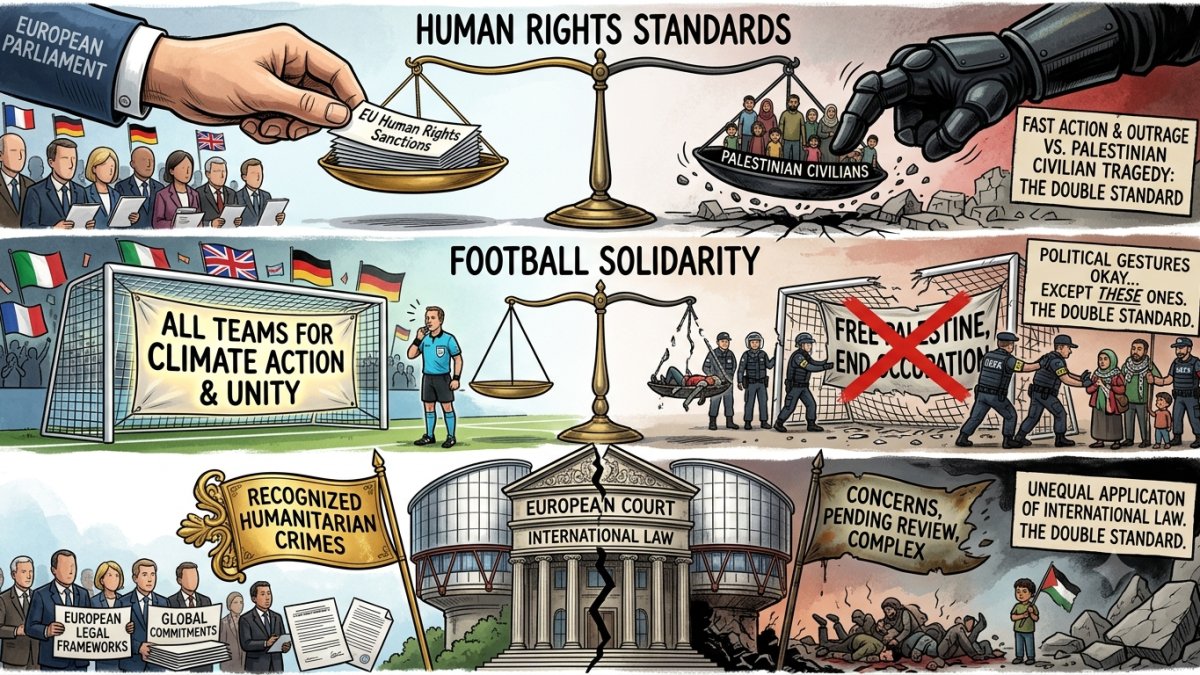
Europe often presents itself as a defender of human rights, international law and global justice. However, its response to Palestine has raised questions about whether these principles are applied equally.
For years, Palestinian, Israeli and international human rights groups have accused Israel of maintaining a system of discrimination and separation affecting Palestinians. Critics argue that Europe acknowledged these concerns but avoided taking strong political or economic measures.
The situation in Gaza intensified these debates. United Nations experts, human rights organisations and legal groups raised serious concerns about possible violations of international law, including allegations of war crimes and genocide. Despite these warnings, European governments largely focused on diplomatic statements rather than stronger action.
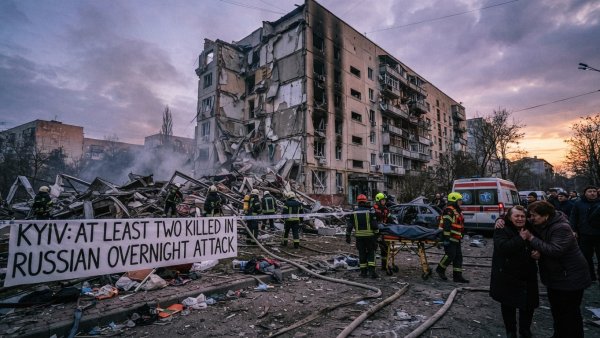
The contrast with Europe’s response to Ukraine has been highlighted by critics. Following Russia’s invasion, the European Union quickly introduced sanctions, froze assets and provided extensive political support. Supporters of Palestine argue that this showed Europe can act decisively when it chooses to.
Europe’s defenders often point to internal divisions among EU states, but critics say those differences became a reason for avoiding responsibility. Governments continued expressing concern while failing to create meaningful consequences.
The debate also reached international institutions. The International Criminal Court faced pressure and criticism while investigating alleged crimes connected to Palestine. Critics argue that Europe’s limited response weakened the credibility of the international justice system it has long supported.
Football became another example of Europe’s different approach to defending principles. When FIFA-related commercial plans raised concerns about the future of football governance, European officials quickly spoke about protecting institutional independence and integrity.
Critics say this contrast reveals a troubling reality: Europe can define clear red lines when institutions or interests are threatened, but struggles to do the same when Palestinian lives and international law are at stake.
The issue is not whether Europe sees the suffering in Palestine. The criticism is that Europe sees it, discusses it, but often fails to act with the same urgency it shows in other crises.