Anniversary and an unfinished conflict
As 7 October 2026 marked three years since the events known as Operation Al-Aqsa Flood, Palestinian writer Sayid Marcos Tenorio argued that the anniversary should prompt action on Palestinian rights, civilian protection and accountability. His essay places the events of October 2023 and the war that followed within a longer history of displacement, occupation, settlement expansion and restrictions on Gaza.
Tenorio also points to the continuing violence after the ceasefire announced in October 2025. He cites Gaza’s Ministry of Health figures of more than 78,000 Palestinians killed since the offensive began, including 1,422 after the ceasefire. These figures are attributed to the ministry as cited in the essay.
The history and legal arguments
The writer argues that the history of the conflict cannot be reduced to October 2023. He refers to the displacement of Palestinians during the 1948 Nakba, the occupation, settlement growth and the restrictions on Gaza as part of the context for the current crisis. He also cites UN General Assembly resolutions 2649 (1970), 2787 (1971), 3070 and 3103 (1973), saying they support Palestinian self-determination and the rights of peoples under colonial or foreign domination. His interpretation of these resolutions is part of his argument about resistance and should be understood as commentary.
Tenorio further points to the International Court of Justice’s July 2024 advisory opinion, which found Israel’s continued presence in the occupied Palestinian territory unlawful and described obligations for states in response. He also cites the UN Independent International Commission of Inquiry’s September 2025 conclusion that genocide had been committed in Gaza. These are legal findings and conclusions he invokes; his broader political analysis remains the author’s opinion.
The actions the author proposes
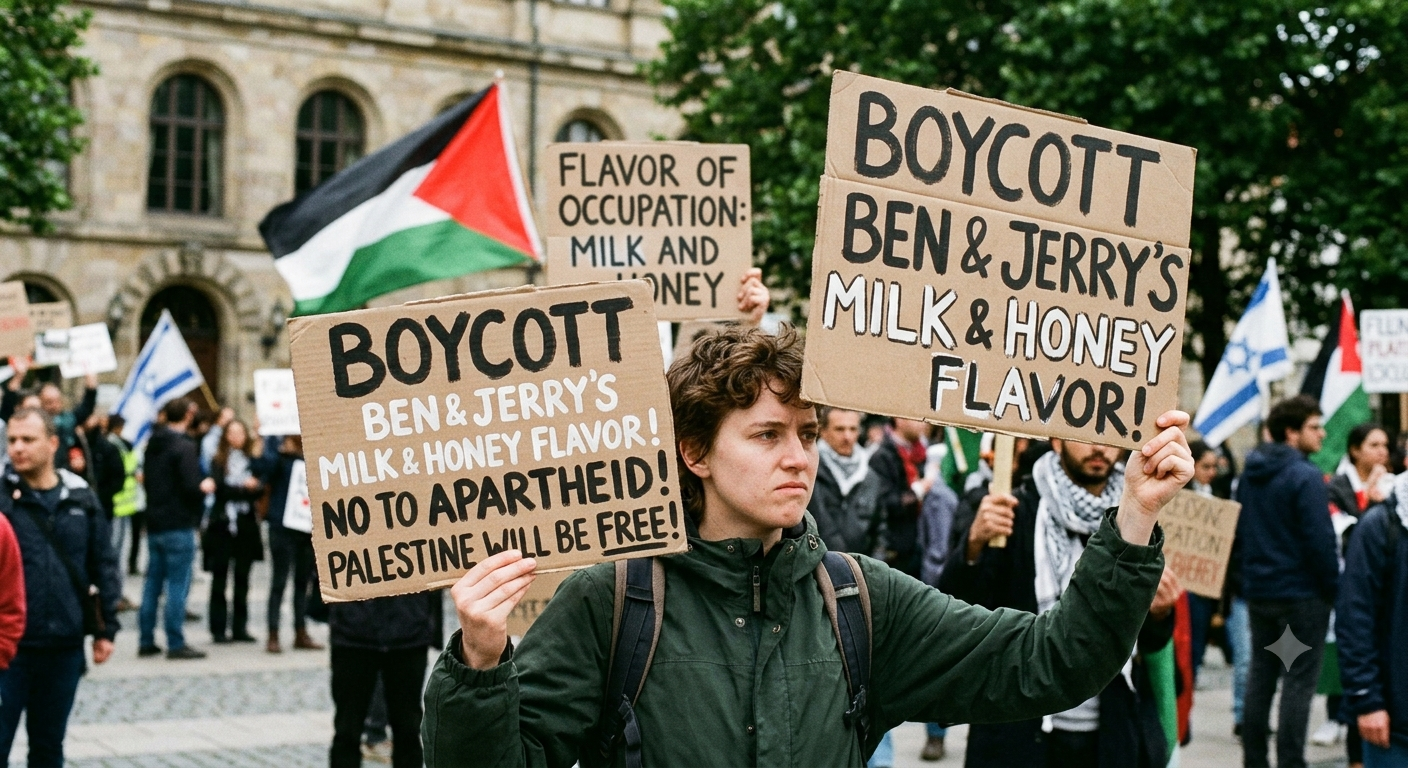
Tenorio calls on governments to prevent arms transfers that could contribute to crimes, ensure humanitarian access and support accountability efforts. He urges civil society to scrutinise government policy, support humanitarian organisations and sustain peaceful advocacy, including boycott campaigns.
The essay’s central claim is that symbolic statements are insufficient without practical measures to protect civilians and uphold Palestinian rights. This article summarises Tenorio’s argument and distinguishes his political conclusions from the facts and legal materials he cites.