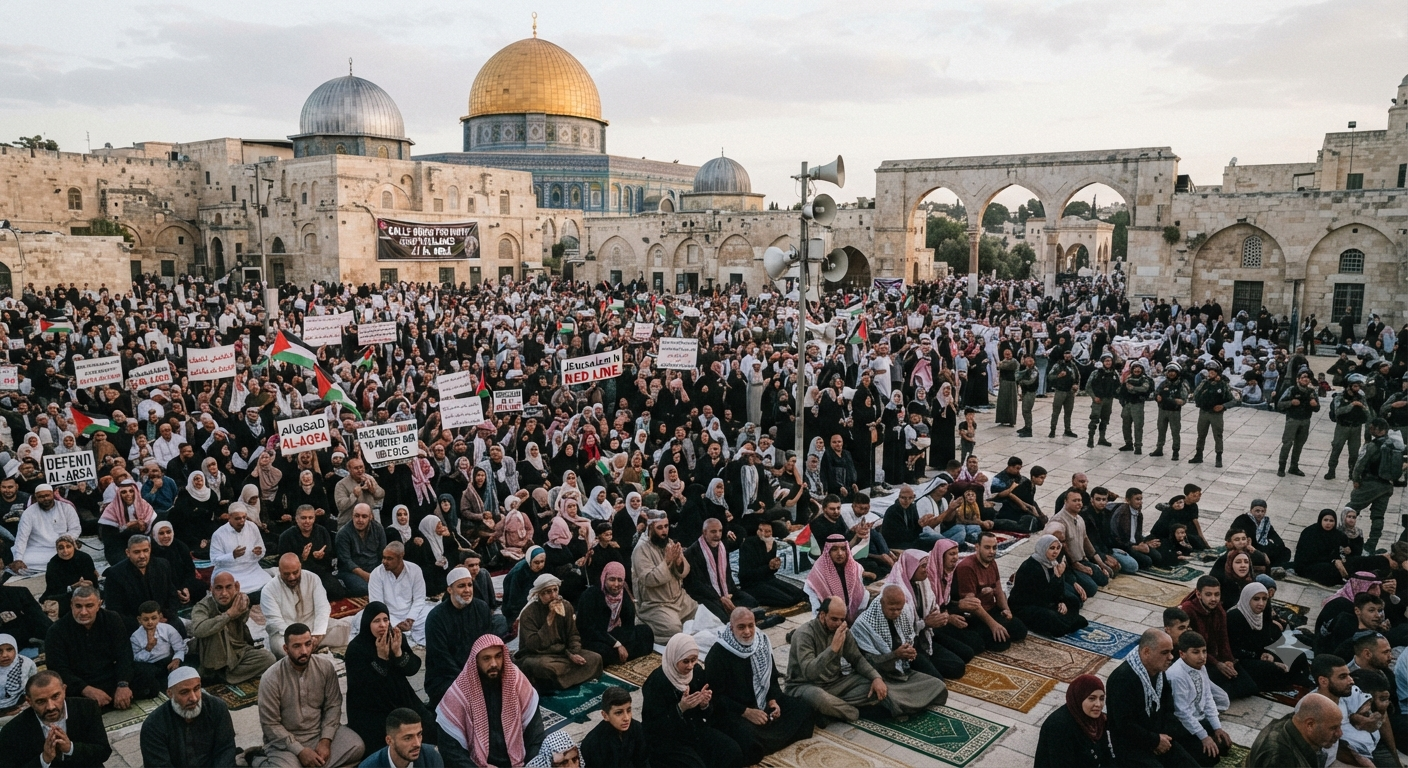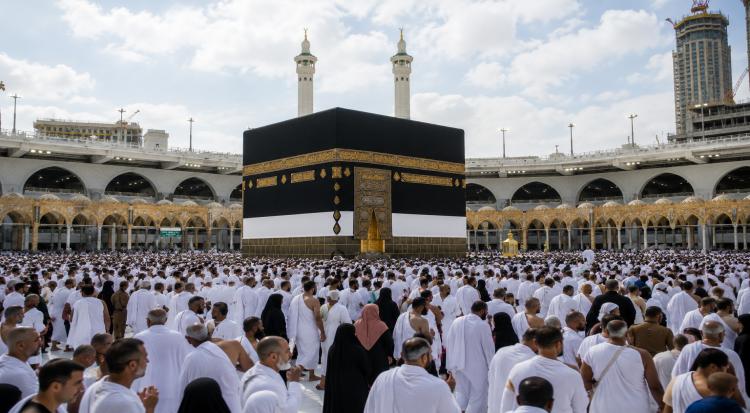
Muslims around the world have entered the first 10 days of Dhul-Hijjah, one of the holiest and most spiritually significant periods in the Islamic calendar. According to moon-sighting announcements in many countries, the first day of Dhul-Hijjah began on Monday, 18 May 2026, meaning the Day of Arafah is expected to fall on Tuesday, 26 May, while Eid al-Adha will begin on Wednesday, 27 May.
The first 10 days of Dhul-Hijjah hold special importance in Islam due to their connection with Hajj, the pilgrimage to Makkah, and the story of Prophet Ibrahim’s devotion and sacrifice. Millions of Muslims use these days to increase prayer, fasting, charity, Qur’an recitation and remembrance of Allah.
In the Qur’an, Allah swears by these days in Surah Al-Fajr: “By the dawn, and by the ten nights” (Qur’an 89:1-2). Many Islamic scholars interpret the “ten nights” as the first 10 days of Dhul-Hijjah.
The Prophet Muhammad ﷺ also emphasised their importance, saying: “There are no days on which righteous deeds are more beloved to Allah than these ten days.” (Sahih al-Bukhari)
One of the most significant days is the Day of Arafah on the 9th of Dhul-Hijjah, when pilgrims gather at Mount Arafat during Hajj. For Muslims not performing Hajj, fasting on this day is highly recommended. The Prophet ﷺ said fasting on Arafah expiates the sins of the previous and coming year. (Sahih Muslim)
The 10th day marks Eid al-Adha, the Festival of Sacrifice, commemorating Prophet Ibrahim’s willingness to sacrifice his son in obedience to Allah.
According to Islamic tradition, Allah replaced Prophet Ibrahim’s son with a ram at the moment of sacrifice after Ibrahim demonstrated complete obedience and faith. Muslims commemorate this act of devotion during Eid al-Adha by sacrificing animals and distributing the meat among family, friends and those in need.
The Prophet Muhammad ﷺ also highlighted the importance of this act of worship, saying: “There is no deed done on the day of sacrifice more beloved to Allah than the shedding of blood.” (Sunan al-Tirmidhi) Muslims believe the sacrifice symbolises faith, gratitude and willingness to submit to Allah’s command, following the example of Prophet Ibrahim.