Palestinians across the Middle East and around the world are commemorating the anniversary of the Nakba, meaning “catastrophe” in Arabic, which marks the mass displacement of Palestinians during the 1948 Arab-Israeli war that accompanied the creation of Israel.
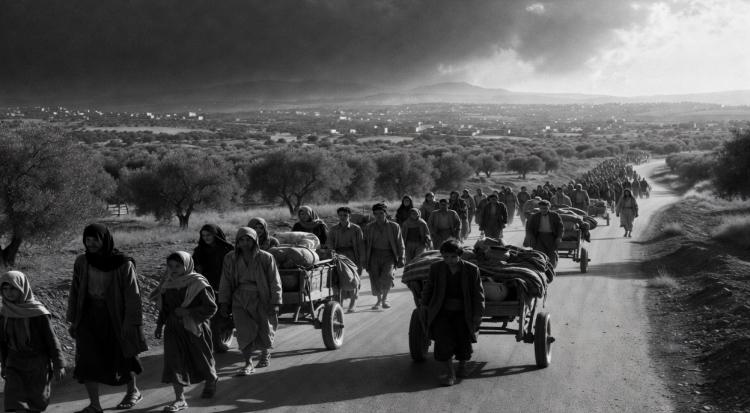
The Nakba began in 1948 as fighting erupted between Zionist militias, newly formed Israeli forces, and Arab armies following the end of British rule in Palestine. More than 700,000 Palestinians were displaced or forced to flee their homes during the conflict. Hundreds of Palestinian towns and villages were destroyed, abandoned, or depopulated.
Many Palestinians became refugees in neighbouring countries including Jordan, Lebanon, and Syria, while others were displaced within Gaza, the occupied West Bank, and other areas. Today, millions of Palestinians registered as refugees are descendants of those displaced in 1948.
Every year on May 15, Palestinians mark the Nakba through marches, memorial gatherings, and public demonstrations. Many view the events of 1948 as the beginning of ongoing displacement, military occupation, and statelessness.
The Nakba remains one of the most disputed and emotional issues in the Israeli-Palestinian conflict. Palestinian leaders continue demanding recognition of refugee rights and the right of return, while Israeli officials contest aspects of the historical interpretation surrounding the war and displacement.