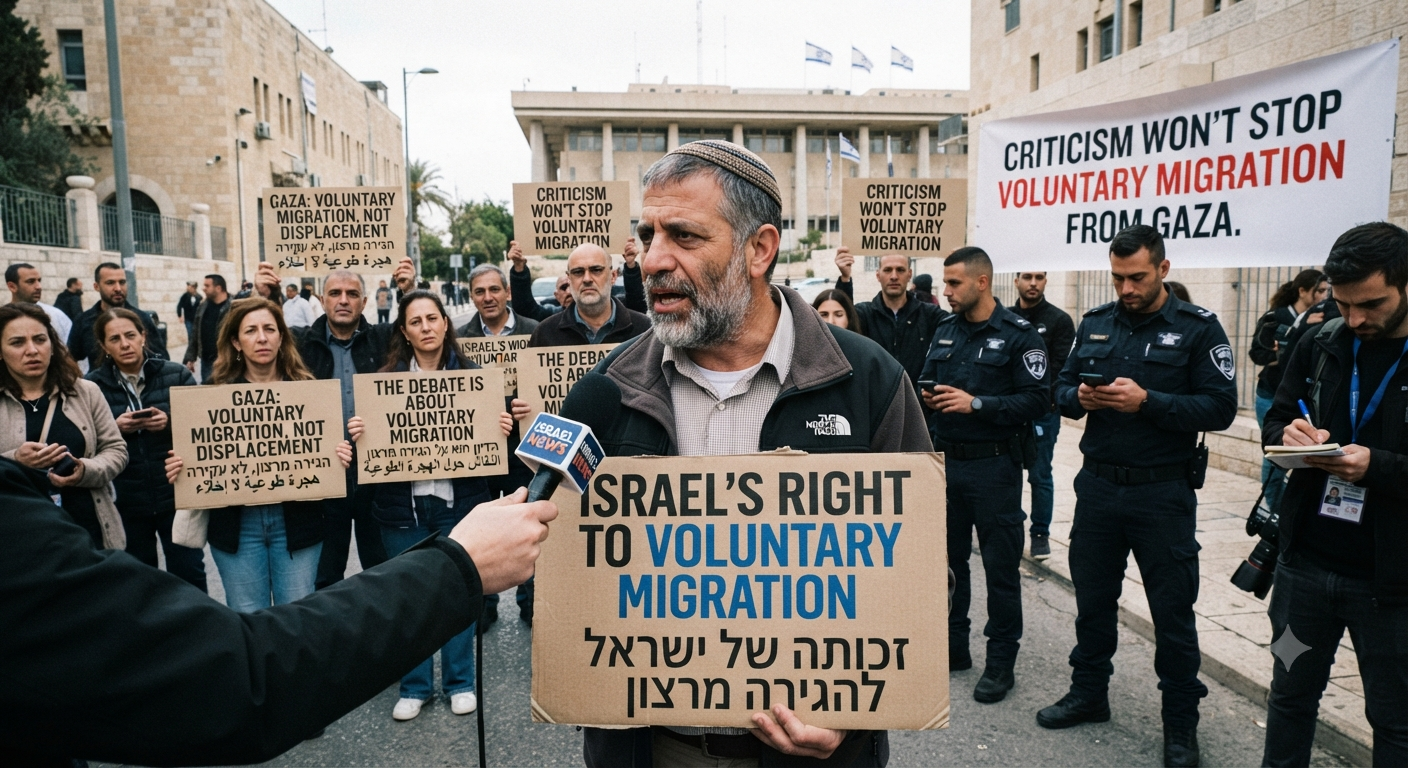
Israel rebrands Gaza displacement debate as “voluntary migration” amid war criticism
A new debate inside Israel over Gaza is increasingly focused on language that critics say disguises forced displacement under softer terms.
According to the analysis, phrases such as “voluntary migration” are being replaced with alternatives like “freedom of movement,” “free passage,” or simply “allowing those who want to leave.” Critics argue this linguistic shift is intended to make a deeply controversial policy more acceptable internationally.
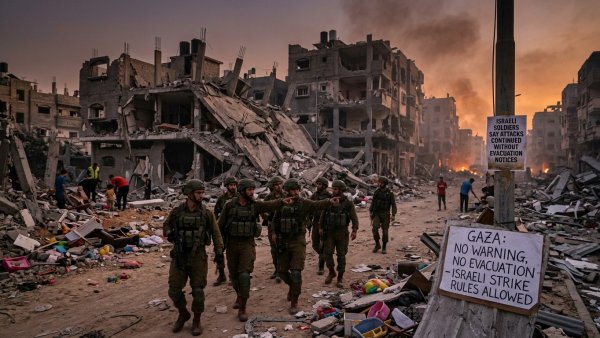
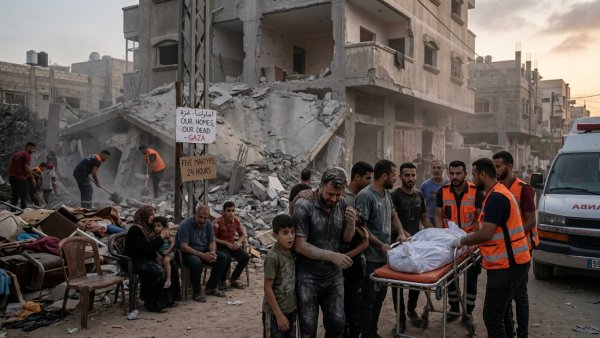
The core issue, however, remains unchanged. Palestinians leaving Gaza after losing homes, livelihoods, infrastructure, and access to basic services are not making free choices, but acting under extreme pressure created by war, destruction, and lack of viable future prospects.
The article argues that international law evaluates conditions on the ground rather than terminology. If civilians are pushed to leave due to bombing, blockade, and the collapse of reconstruction, the act may still constitute forced displacement regardless of how it is described.
It also highlights that the idea of relocating Gaza’s population has been increasingly discussed in Israeli political discourse since the beginning of the war, shifting from fringe rhetoric to more mainstream debate. Some voices frame population movement as a “solution” if military goals are not fully achieved.
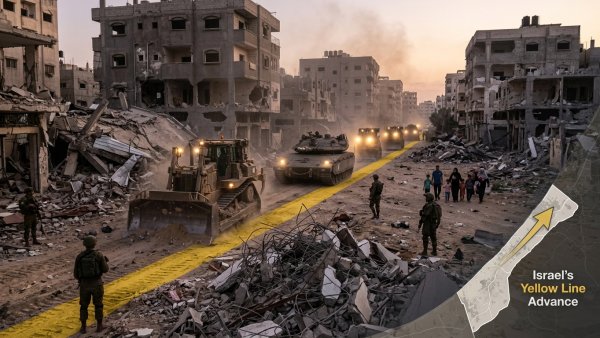
Critics warn this reflects a broader shift from confronting armed groups to treating Gaza’s civilian population itself as a demographic “problem.” In this view, destruction and delayed reconstruction contribute to long-term pressure that makes staying in Gaza increasingly unviable.
The piece links this to a wider historical context in which demographic concerns have long shaped Israeli political thinking. It argues that sustained pressure without reconstruction risks turning Gaza into a space where departure is presented as the only option.
Ultimately, the article concludes that renaming displacement does not change its nature. Whether described as “passage” or “migration,” it remains, in practice, the result of conditions that make continued life in Gaza impossible.
It warns that such policies could deepen long-term instability and leave the conflict unresolved, arguing that only a political solution based on equal rights and sovereignty can prevent continued cycles of violence and displacement.