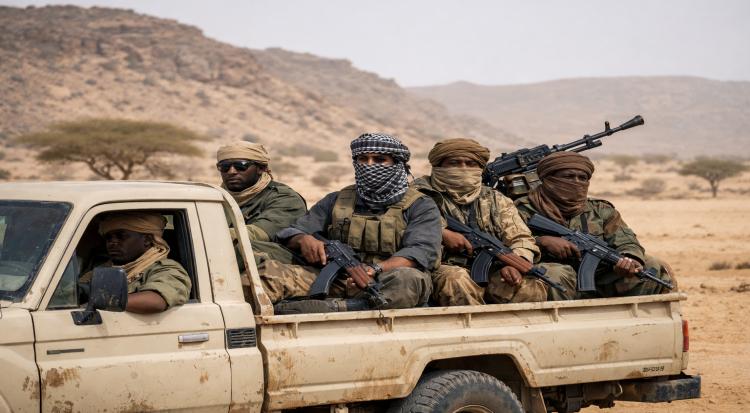
Armed groups linked to Boko Haram and the Islamic State West Africa Province (ISWAP) are continuing to reshape security dynamics across the Lake Chad Basin, according to analysts and regional observers. The conflict, affecting parts of Nigeria, Niger, Chad and Cameroon, has evolved significantly as militant groups adapt their tactics and expand influence in remote areas.
ISWAP has increasingly focused on building local networks and controlling trade routes while presenting itself as more organised than Boko Haram’s earlier leadership. Analysts say the group has attempted to gain support in some communities by offering protection, economic activity and basic governance structures in territories under its influence.
Meanwhile, Boko Haram factions continue carrying out raids, kidnappings and attacks on civilians and military targets, contributing to long-running instability and mass displacement across the region. Humanitarian agencies warn that millions remain dependent on aid due to insecurity, food shortages and damaged infrastructure.
Regional governments have continued military operations against the groups, but security experts say difficult terrain, poverty and weak state presence continue to allow armed organisations to regroup and recruit fighters across the basin.