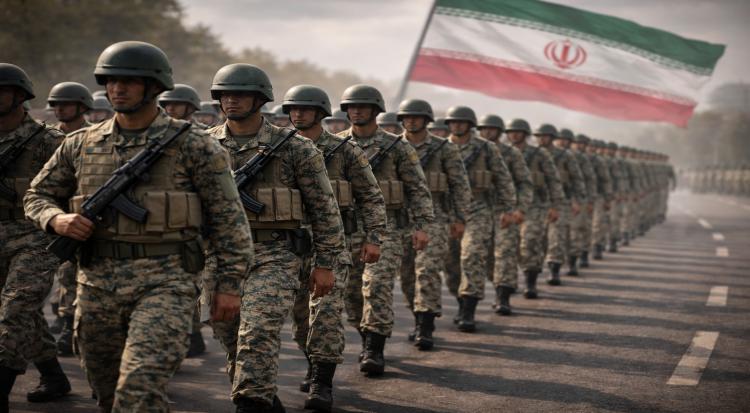
The European Union made history on January 29, 2026, formally designating Iran's Islamic Revolutionary Guard Corps (IRGC) a terrorist organization — the first time a state military branch joined al-Qaeda and ISIS on the bloc's blacklist.
EU foreign policy chief Kaja Kallas announced the decision after ministers overcame years of opposition, triggered by Tehran's lethal crackdown that killed thousands of anti-regime protesters. “If you act like terrorists, you should be treated as terrorists,” Kallas declared, citing the IRGC’s role in suppressing demonstrations. The move freezes IRGC assets across 27 nations and criminalizes EU support, with additional sanctions targeting 15 officials including Interior Minister Eskandar Momeni and six entities accused of censorship and human rights abuses.
France had previously blocked the move but shifted its position after the IRGC’s violent crackdown, prompting Belgium and Italy to do the same. With all major members now on board, the EU finally reached full agreement to list the group as a terrorist organization. Iran condemned the decision as a “strategic mistake” aligned with U.S. and Israeli interests. The U.S. (2019), Canada (2024), and Australia already listed the IRGC; the U.K. is considering a similar step. Kallas insisted diplomacy remains open despite the escalation.
Critics say the timing is far too convenient — years after branding Iran’s IRGC a terrorist group, Washington has suddenly revived that rhetoric as it moves carriers toward Iranian waters. To them, it’s a replay of old tactics, echoing the familiar tones of the “war on terror” — a convenient narrative revived just as tensions rise once again. For many in the region, the pattern feels unmistakable: a familiar escalation dressed once more in the language of terror and defense.