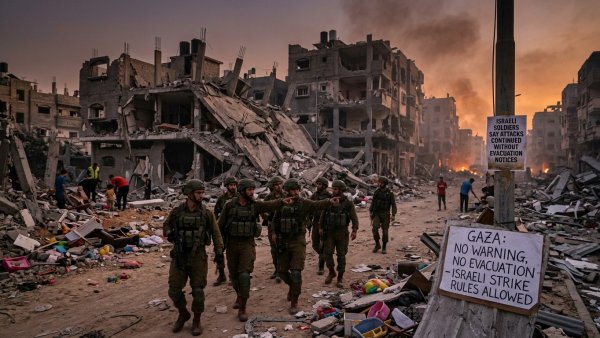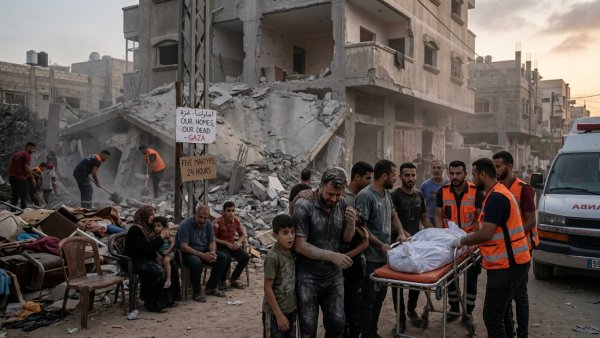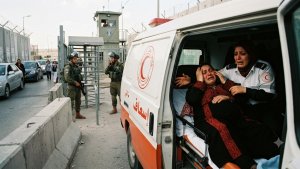
Life in Gaza has been transformed by relentless violence, displacement and the destruction of essential infrastructure. Beyond casualty figures, the ongoing crisis is visible in the ordinary routines of people struggling to survive each day.
The constant buzzing of Israeli drones has become part of the soundscape of childhood in Gaza. Residents describe living under continuous surveillance and the fear that an attack could come at any moment. With no reliable shelters or warning systems, civilians have few places to escape the bombardment.
Schools used as shelters, hospitals, places of worship and other civilian facilities have been repeatedly damaged or destroyed. Families trapped beneath rubble often cannot be rescued because heavy destruction and limited equipment make recovery extremely difficult.
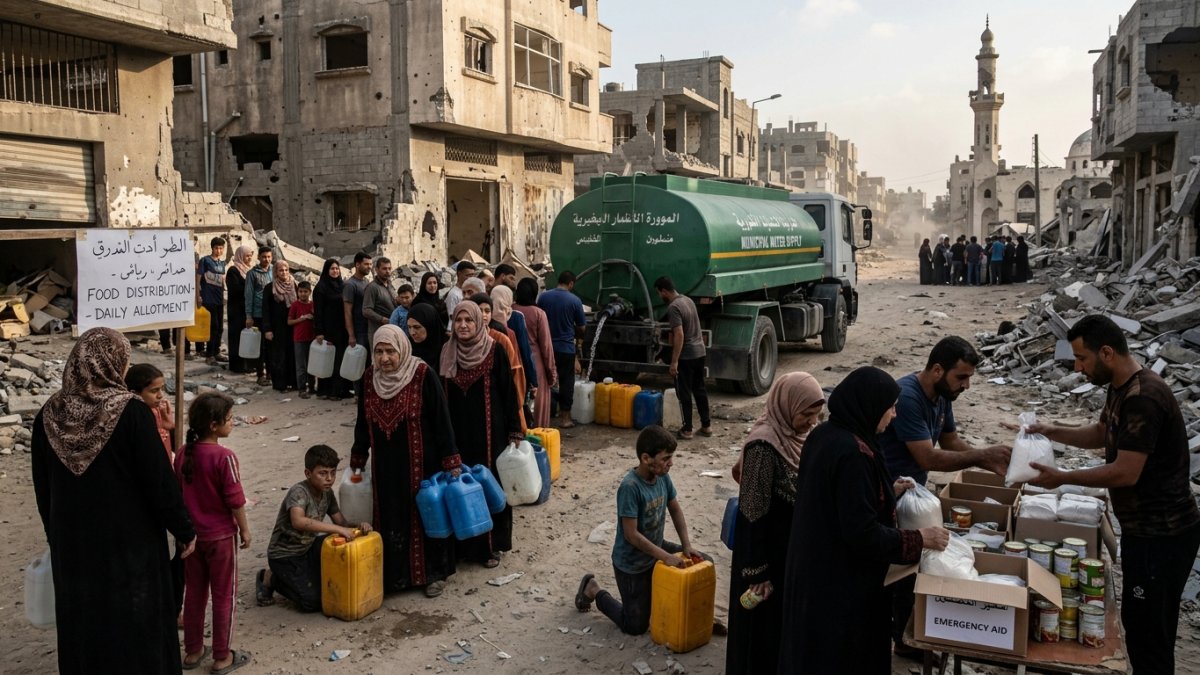
Access to water has become another daily ordeal. With much of Gaza's water infrastructure damaged and supplies severely restricted, families travel long distances to find water and risk injury or death while doing so. Food, flour, medicines and other basic necessities are similarly difficult to obtain.
Women and girls face additional hardships, including a lack of privacy, sanitation and menstrual hygiene products. Families often cook using makeshift stoves and whatever fuel they can find, creating further health and fire risks.
The destruction of healthcare facilities has also affected dental and general medical care. Shortages of medicines, equipment and basic hygiene products have contributed to widespread deterioration in health, including serious dental problems.
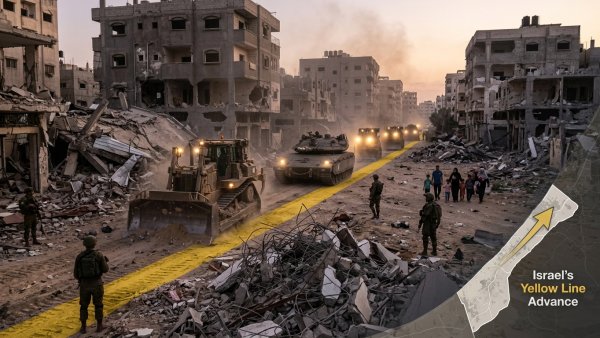
Repeated displacement has made ordinary possessions increasingly difficult to maintain. Palestinians move through damaged roads and rubble, often carrying what little they have left. Some walk in worn-out or broken footwear because replacing shoes has become difficult.
For Gaza's children, the psychological toll is especially devastating. Many have repeatedly witnessed death, destruction and human remains, sometimes losing relatives and homes in the process. Children who survive attacks and rubble may emerge into a life without family members, homes or a sense of safety.
The crisis therefore extends far beyond individual attacks. It has reshaped water collection, food preparation, healthcare, shelter, movement and childhood itself, turning basic acts of daily life into acts of survival.