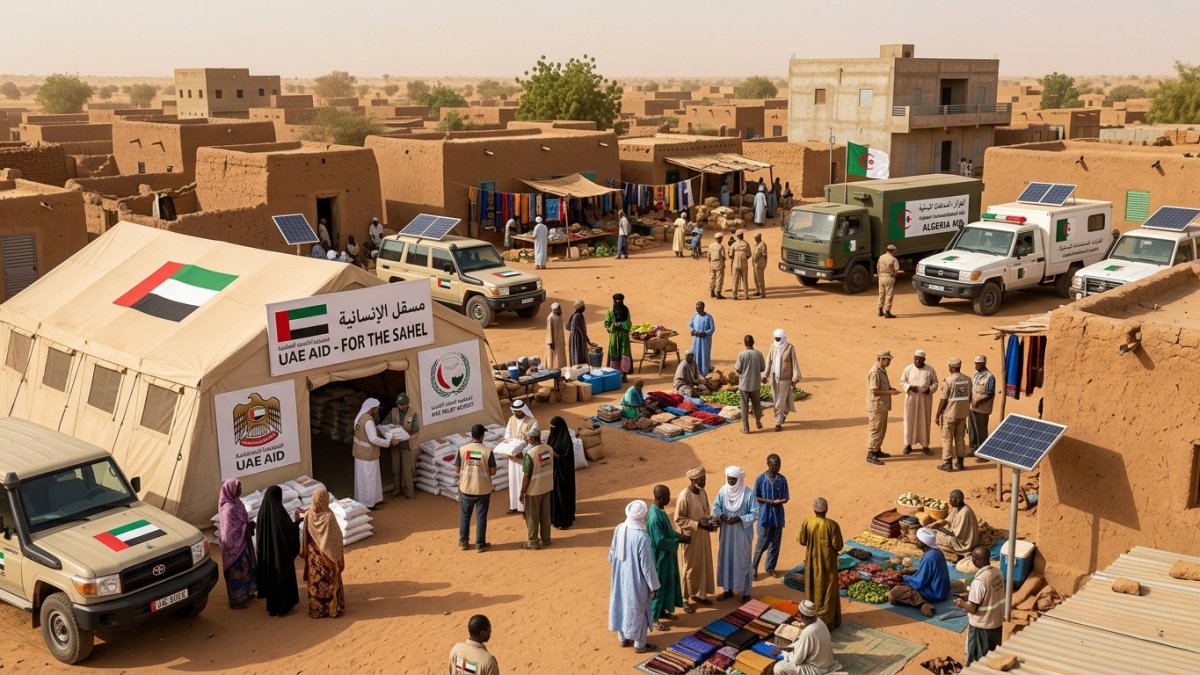
Rivalry between Algeria and the United Arab Emirates is increasingly playing out across the Sahel, as both governments seek diplomatic and political influence in a region facing instability and shifting alliances. Analysts say the contest also intersects with disputes involving Morocco, Libya and Sudan.
Different regional partnerships
Algeria has long treated developments around its borders as a central security concern. Some analysts say officials in Algiers view growing Emirati ties with neighboring states as part of a wider pattern that could leave Algeria strategically isolated. The UAE, meanwhile, has expanded its diplomatic relationships and backed partners in several regional disputes.
The two countries’ positions have diverged over Western Sahara. The UAE supported Morocco’s claim to the territory and opened a consulate in Laayoune in 2020. That same year, the UAE normalized relations with Israel, followed by Morocco. These diplomatic moves added new dimensions to regional alignments.
Libya and Sudan add to tensions
In Libya, the UAE has been accused of supporting forces led by Khalifa Haftar; in Sudan, it has faced allegations of backing the Rapid Support Forces led by Mohamed Hamdan Dagalo, known as Hemedti. The UAE denies supporting the RSF. Such claims remain contested and should be distinguished from confirmed policy statements.
The rivalry matters because influence in the Sahel can affect security cooperation, trade routes and relations with governments emerging from political upheaval. Algeria’s proximity gives it a direct interest in regional stability, while Emirati diplomacy and investment have widened the Gulf state’s reach.
There is no single public measure of which country is gaining ground. Instead, competing partnerships are reshaping the diplomatic landscape, sometimes sharpening existing tensions among North African and Sahelian states.