World Cup 2026 Faces Criticism Over Politics, Palestine and Fifa’s Role
The 2026 World Cup has sparked debate over the growing influence of politics in football, with critics accusing Fifa of allowing the tournament to become linked with major geopolitical disputes.
The tournament has provided moments of unity, including fans celebrating football across conflict zones. Supporters point to the ability of national teams to bring people together, including multicultural squads representing different backgrounds.
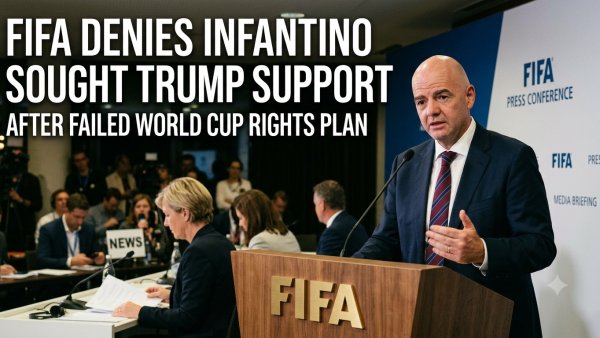
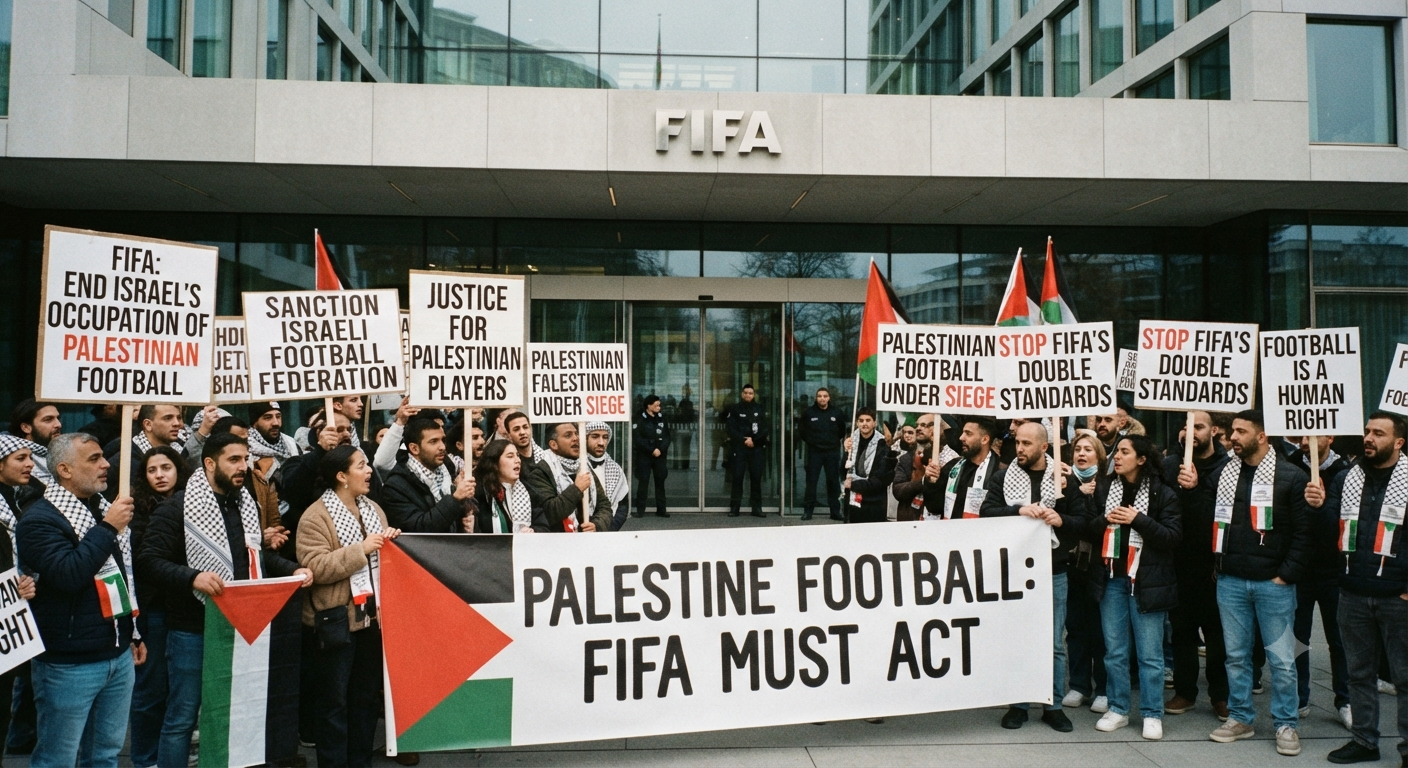
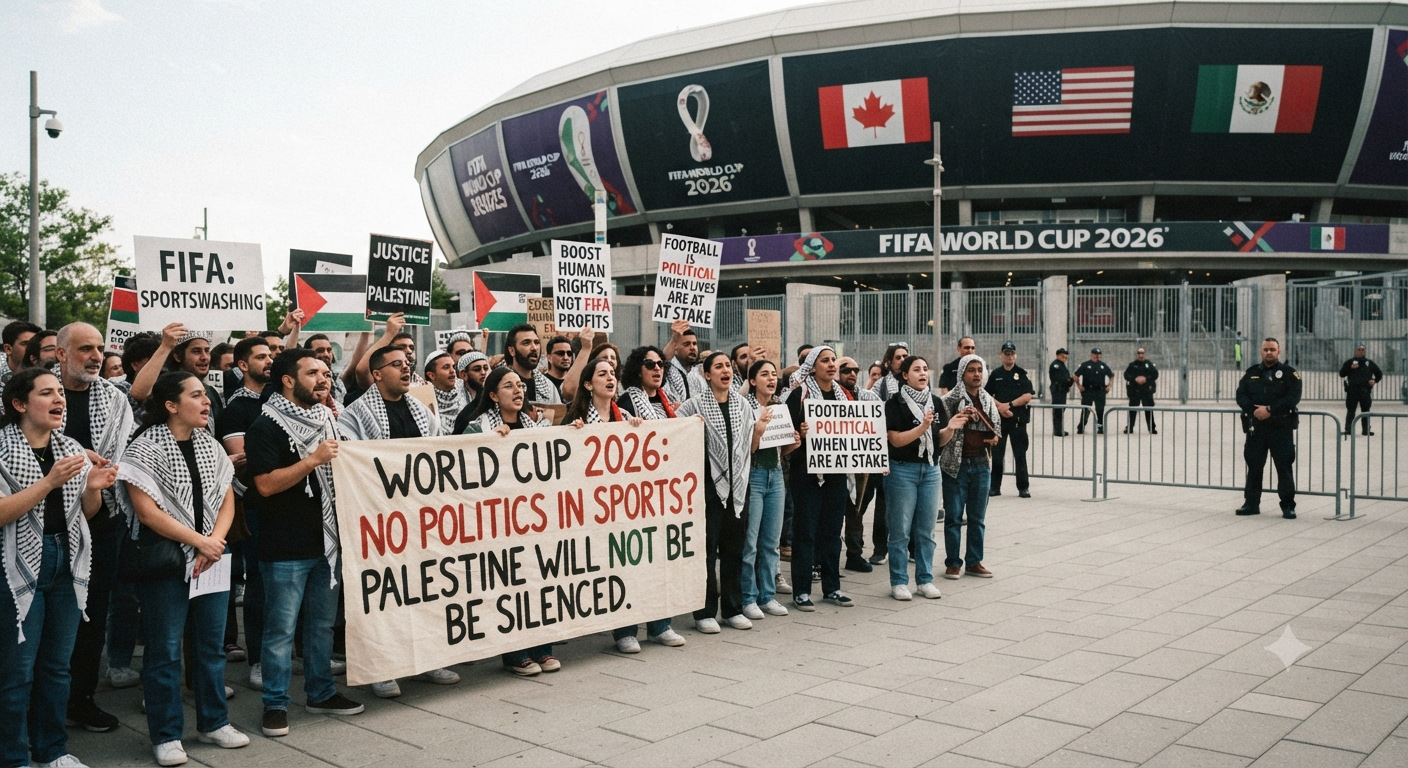
However, critics argue that Fifa has failed to address concerns surrounding Palestinian football and the impact of the Gaza war on athletes and sporting infrastructure. They have questioned the organization’s decisions regarding political neutrality and its relationship with powerful governments.
The controversy has also included disputes over team arrangements, political messages on kits and decisions affecting participating nations. Critics say Fifa’s pursuit of record revenues has weakened its commitment to fairness, while others argue football remains a powerful symbol of global connection beyond politics.
The World Cup continues to reflect wider tensions in the world, showing both the divisions created by international conflicts and the ability of sport to create moments of shared identity and solidarity.