What Is the Day of Arafah?
The Day of Arafah, also known as Yawm al-Arafah, is observed on the 9th day of Dhul Hijjah, the final month of the Islamic calendar. It is considered one of the holiest and most spiritually significant days in Islam and takes place during the annual Hajj pilgrimage in Makkah, Saudi Arabia.
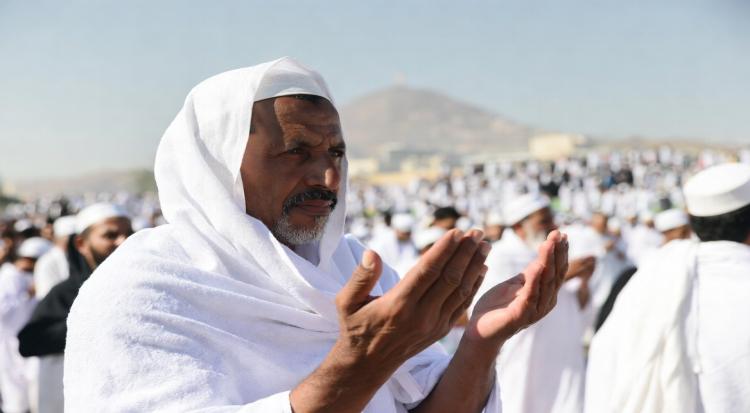
On this day, millions of Muslim pilgrims gather at the Plain of Arafat, near Mount Arafat, where Prophet Muhammad ﷺ delivered his Farewell Sermon during his final Hajj more than 1,400 years ago. Standing at Arafat, known as Wuquf, is regarded as the central pillar of Hajj. According to Islamic teachings, a pilgrimage is not valid without it.
For Muslims around the world who are not performing Hajj, the day is widely observed through fasting, prayer, repentance and supplication.
When Was It Established?
The Day of Arafah traces back to the time of Prophet Ibrahim (Abraham) and became firmly established within Islamic worship during the lifetime of Prophet Muhammad ﷺ in the 7th century.
Islamic tradition teaches that many rites of Hajj are connected to the legacy of Prophet Ibrahim, his wife Hajar and his son Ismail. Prophet Muhammad ﷺ later restored and formalised these practices after the rise of Islam in Arabia.
One of the most important moments associated with the Day of Arafah is the Farewell Pilgrimage of Prophet Muhammad ﷺ in 632 CE. During this pilgrimage, he addressed around 100 000 of followers at Arafat and delivered a sermon focusing on justice, equality, the sanctity of life and adherence to faith.
Many Islamic scholars also connect this day with the revelation of a verse from the Qur’an:
“This day I have perfected for you your religion and completed My favour upon you and have approved for you Islam as religion.”
(Qur’an 5:3)
The verse is believed to have been revealed during the Prophet’s final pilgrimage on the Day of Arafah.
Why Is the Day So Important?
The day holds deep spiritual importance because Islamic teachings describe it as a day of mercy, forgiveness and acceptance of prayers.
One widely cited hadith narrated in Sahih Muslim states:
“There is no day on which Allah frees more people from the Fire than the Day of Arafah.”
Another hadith reports that fasting on the Day of Arafah expiates the sins of the previous year and the coming year for those not performing Hajj.
Muslims are encouraged to increase acts of worship during the day, including prayer, Qur’an recitation, remembrance of God and personal supplication.
A famous narration from Jami’ al-Tirmidhi also states:
“The best supplication is the supplication on the Day of Arafah.”
How Muslims Observe the Day
Pilgrims performing Hajj spend the afternoon at Arafat in worship and reflection before continuing the pilgrimage rites.
Muslims elsewhere commonly fast from dawn to sunset and dedicate extra time to prayer and charity. Mosques around the world often hold lectures and reminders about the significance of the day in the lead-up to Eid al-Adha.
The Day of Arafah is followed by Eid al-Adha, one of the two major Islamic festivals observed globally.