UAE-Linked Networks Accused of Supplying Weapons and Fighters to Sudan’s RSF
Foreign weapons, military technology and foreign fighters are helping sustain Sudan’s war and have contributed to attacks that may amount to war crimes, according to a United Nations investigation.
The UN Independent International Fact-Finding Mission for Sudan said there were “reasonable grounds to believe” that a transnational network supplied the Rapid Support Forces (RSF) with weapons, logistical support, training and foreign personnel. The network involved companies and individuals operating through the UAE, Colombia, Chad, Libya and Somalia.
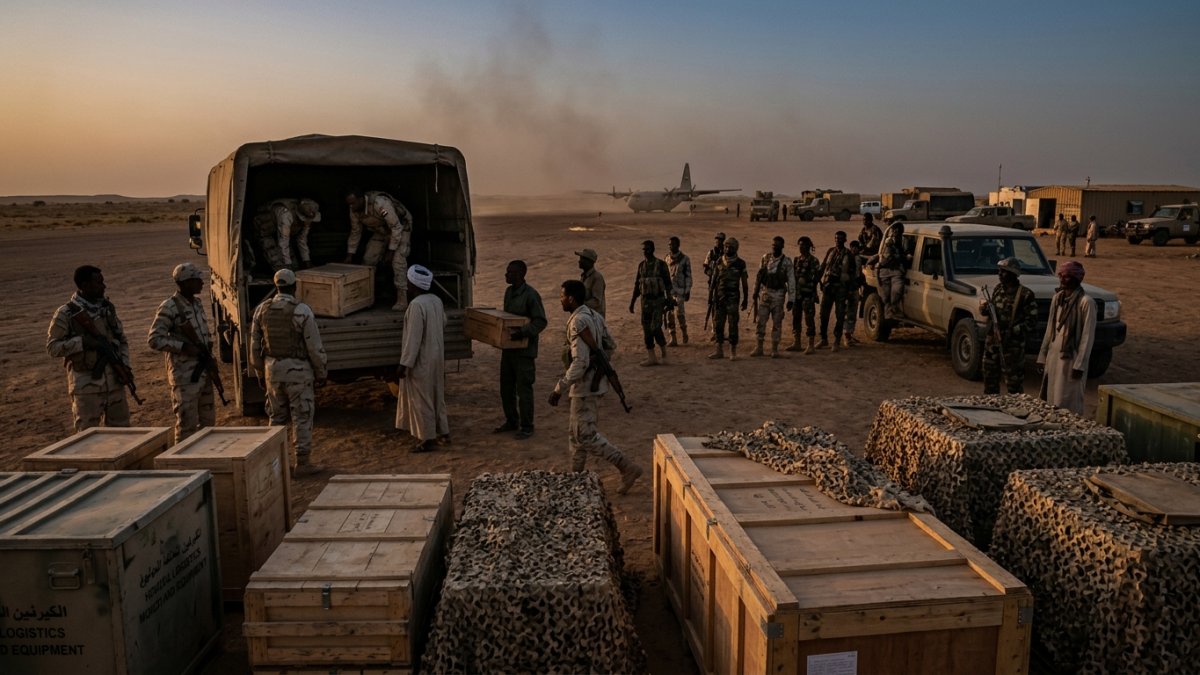
Investigators identified weapons including Chinese-made NORINCO AH-4 howitzers, FK-2000 air defence systems and CH-95 drones. Some equipment was consistent with weapons previously exported to the UAE. Witnesses also reported cargo flights originating in the UAE and travelling through Chad before supplies and foreign contractors entered RSF-controlled territory.
The investigation stopped short of directly attributing the network’s actions to the UAE government. However, it found that individuals and companies based in, registered in or connected to the UAE played a significant role in recruiting, financing and transporting military contractors. Abu Dhabi rejected the allegations and said its own investigations found no evidence linking entities under its jurisdiction to mercenary activity.
Colombian former military personnel were a major part of the network. The report estimates that up to 2,000 former Colombian soldiers may have been recruited since August 2024, with some reportedly trained at a military-style facility in Ghayathi, UAE, before being transported to Sudan through Somalia, Libya or Chad.
A unit known as the “Desert Wolves” reportedly operated drones, artillery and air-defence systems around el-Fasher before and after the RSF takeover. UN investigators said the support contributed to RSF operations in Zamzam camp and el-Fasher, where they documented grave violations and conduct displaying “hallmarks of genocide.”
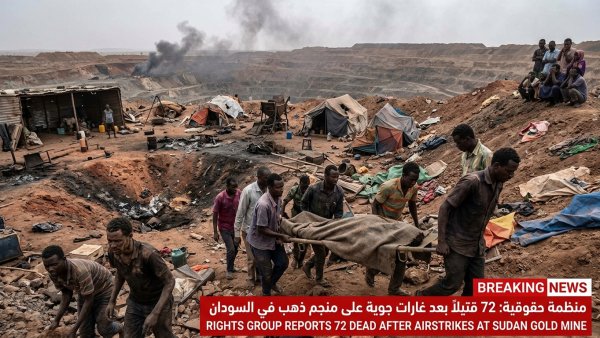
The UN also documented deadly attacks by both the RSF and Sudanese army. More than 1,000 civilians were reportedly killed in drone attacks between January and May 2026. In Kalogi, RSF drone strikes on a kindergarten and nearby hospital killed 114 people, including around 60 children, while an army strike on Ad-Da’ein Teaching Hospital killed at least 70 people and injured 146.
Investigators said attacks on civilians, hospitals, schools and markets may constitute war crimes. They called for accountability across the entire chain of responsibility, including those who order, finance, supply or facilitate such crimes.
The mission urged the UN Security Council to extend the Darfur arms embargo to all of Sudan and called on states to halt weapons, drones and military technology transfers where there is a substantial risk they could facilitate serious violations.
Sudan’s conflict began in April 2023 after a power struggle between army chief Abdel Fattah al-Burhan and RSF commander Mohamed Hamdan Dagalo, known as Hemedti. The war has killed tens of thousands, displaced more than 13 million people and pushed millions toward famine.