Trump and Latin America: How the Right-Wing Wave Is Reshaping the Region
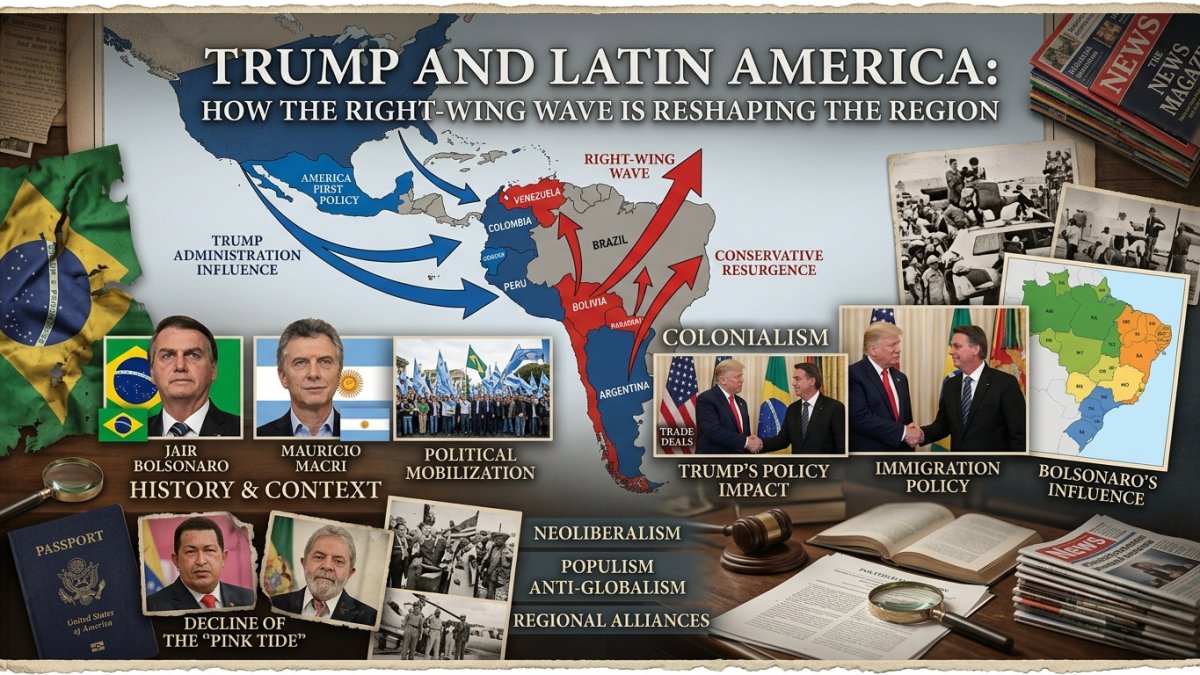
A growing right-wing political wave is sweeping across Latin America, with several newly elected leaders closely aligned with US President Donald Trump and his vision for expanding American influence across the region.
Colombia, Argentina, Honduras and Chile are among the countries where conservative or far-right leaders have gained power. Trump has openly supported several of them, raising concerns about the future of democracy, social welfare, human rights and environmental protections.
In Colombia, President Abelardo de la Espriella has promoted a hard-line approach against the left and supports expanded energy projects, including fracking. His background as a lawyer who defended paramilitary figures has also drawn criticism.
Argentina’s President Javier Milei remains one of Trump’s strongest regional allies. His economic policies, including cuts to welfare programmes, have been blamed by critics for worsening poverty and hardship.
In Honduras, President Nasry Asfura came to power after Trump threatened to cut US aid if he lost. His administration has adopted a tough approach to crime, amid continuing concerns over violence.
Chile has also moved further to the right under President José Antonio Kast, who has expressed admiration for former dictator Augusto Pinochet and promoted stronger border security.
Similar security-first policies have emerged under leaders such as Ecuador’s Daniel Noboa, El Salvador’s Nayib Bukele and Peru’s Keiko Fujimori. Critics argue that these governments focus heavily on punishment, mass incarceration and migration while failing to address poverty, inequality and the underlying causes of crime.
The trend has been described as the “Trumpification of Latin America” or an “Orange Wave.” Supporters see the shift as a move toward stronger security and conservative governance, while critics warn that it could weaken civil liberties and deepen inequality.
The article argues that US involvement in Latin American politics is not new. Washington has historically supported governments accused of human-rights abuses when doing so served broader strategic and economic interests.
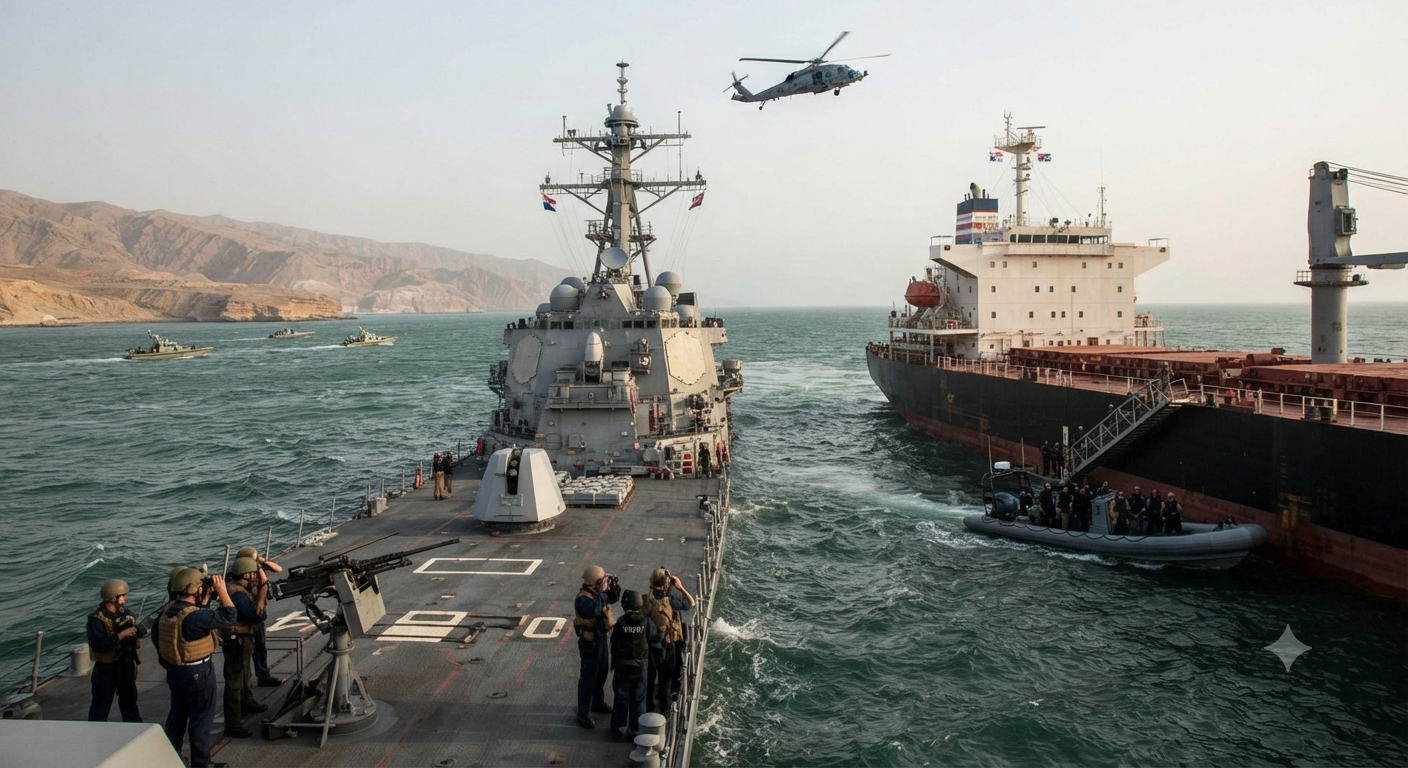
With Medellín expected to host the headquarters of Trump’s proposed “Shield of the Americas” security initiative, US influence in the region appears set to expand further. The central question is whether this new political alignment will bring greater security and prosperity—or reinforce inequality, militarisation and restrictions on democratic freedoms.