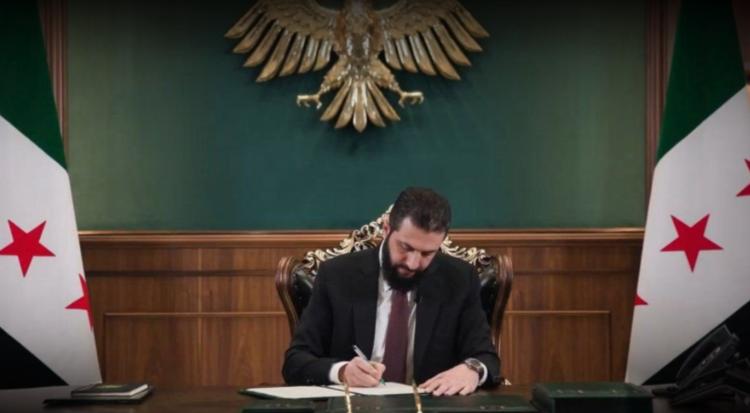
Syria's transitional President Ahmed al-Sharaa issued Decree No. 13 on January 16, 2026, granting full Syrian citizenship to Kurds long denied it by the 1962 Hasakah census. The measure reverses discriminatory census rules that left tens of thousands stateless, restoring voting rights, jobs, property ownership, and services.
Interior Minister Anas Khattab mandated immediate rollout by February 5 with fast-track procedures. Kurdish becomes a national language for optional classes in Kurdish regions. Nowruz joins national holidays; the state pledges to safeguard Kurdish heritage without ethnic bias in schools or media. This comes after years of war between Damascus-aligned forces and the Kurdish-led Syrian Democratic Forces (SDF), who controlled northeast oil fields and fought HTS during its rise to power.
Notably, the decree offers swift citizenship to Kurds — many tied to SDF fighters who opposed the government for years — while thousands of foreign fighters on the government side remain in limbo. These pro-HTS veterans, now under al-Sharaa's leadership, lack clear status or citizenship paths, leaving their future uncertain despite loyalty in battle.
The UN praised it as a rights milestone. Critics question the selective timing amid northeast tensions and SDF ceasefires, wondering if it prioritizes reconciliation over rewarding allies. This tests whether Damascus can balance unity with fairness in Syria's divided north.