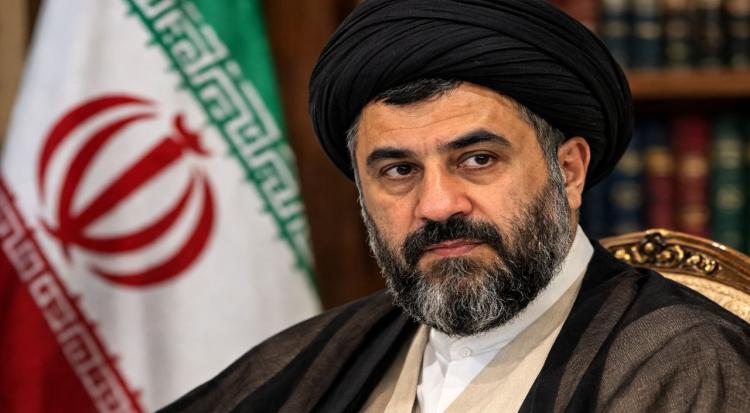
Iran has appointed Mojtaba Khamenei as the country’s new Supreme Leader following the death of his father, Ayatollah Ali Khamenei, marking a historic and controversial leadership transition in the Islamic Republic. The decision was made by Iran’s Assembly of Experts, the powerful clerical body responsible for selecting the country’s top leader. Mojtaba Khamenei, 56, becomes the third Supreme Leader of Iran since the 1979 Islamic Revolution.
His appointment is particularly notable because it represents the first time the position has effectively passed from father to son, raising debate among critics who say the move resembles a dynastic succession in a system originally designed to reject monarchy. Mojtaba Khamenei has largely remained a behind-the-scenes figure in Iranian politics. Despite holding no elected office, he is believed to have significant influence through his close relationships with senior clerics and the powerful Islamic Revolutionary Guard Corps (IRGC).
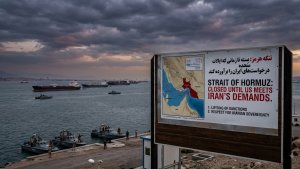
His rise to power comes during an intense regional conflict involving Iran, Israel and the United States, increasing uncertainty about the country’s political direction. Analysts say Mojtaba is likely to continue the hard-line policies associated with his father’s rule. The leadership change signals a critical moment for Iran as it navigates war abroad and political tension at home.