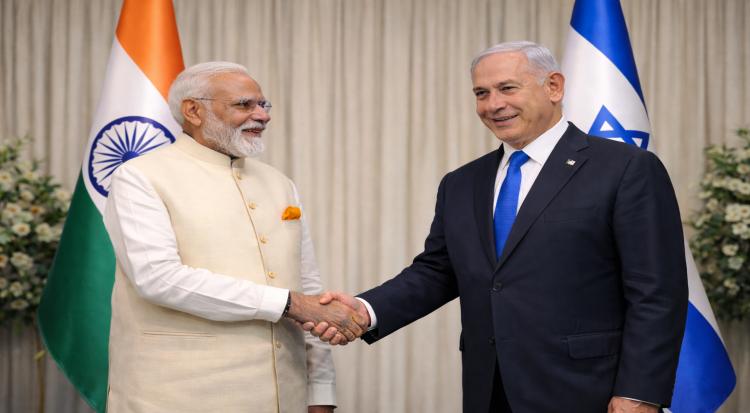
Indian Prime Minister Narendra Modi concluded a two-day state visit to Israel on February 25–26, 2026, intended to deepen bilateral cooperation in defence, technology and trade and herald a strategic partnership at a sensitive moment for the Middle East. During his visit, Modi addressed the Knesset — Israel’s parliament — reaffirming India’s solidarity with Israel against terrorism following Hamas’s October 7, 2023 attack, and both leaders discussed future agreements on defence and economic collaboration.
Modi’s trip was marked by symbolic gestures, including a tribute at Israel’s Holocaust memorial Yad Vashem and plans to expand labour pathways by allowing up to 50,000 more Indian workers to secure visas by 2030.
However, the visit drew sharp political criticism in India. Opposition figures, including Mehbooba Mufti and other leaders, accused Modi of departing from India’s traditional non-aligned foreign policy and ignoring Palestinian suffering amid the ongoing Gaza conflict. Some critics framed the trip as undermining Gandhian principles and Indian diplomatic balance, while domestic factions urged Modi to highlight Palestinian concerns.
The timing of the visit — amidst heightened regional tensions and debates over Israel’s policies in occupied territories — has amplified its global significance, suggesting New Delhi’s calculated diplomatic shift toward closer engagement with Jerusalem even as New Delhi maintains rhetorical support for a two-state peace.