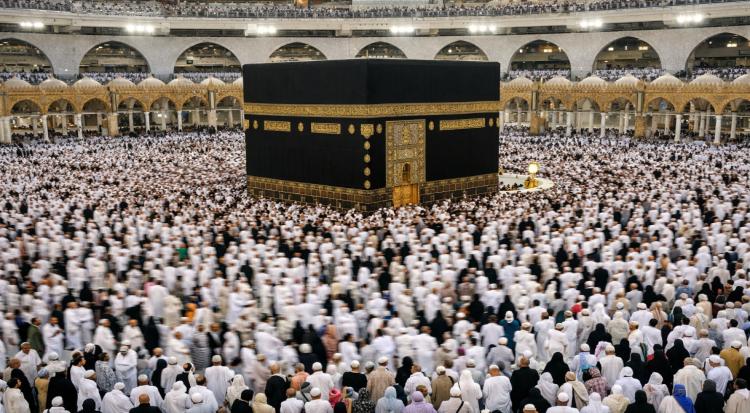
Millions of Muslims around the world are preparing for Hajj 2026, the annual Islamic pilgrimage to Mecca that represents one of the five pillars of Islam. Saudi authorities expect large crowds as pilgrims begin arriving ahead of the rituals. The pilgrimage is expected to take place in late May according to the lunar calendar, with the Day of Arafah on May 26 and Eid al-Adha beginning on May 27. Hajj is a religious obligation for Muslims who are physically and financially able to perform it at least once in their lifetime. Pilgrims travel to the holy city of Mecca and carry out a series of acts of worship over several days, including circling the Kaaba, praying, and visiting important religious sites connected to the history of Prophet Ibrahim, Hajar and Prophet Muhammad ﷺ.
One of the most important stages of Hajj is the Day of Arafat, when pilgrims gather on the plains of Mount Arafat for prayer and repentance. The day is considered the spiritual peak of the pilgrimage, with Muslims seeking forgiveness and mercy from Allah.
Hajj is followed by Eid al-Adha, one of the most significant holidays in Islam. Muslims around the world mark the occasion with prayers, family gatherings and charity.
During Eid al-Adha, many Muslims perform the sacrifice known as Udhiyah or Qurbani, commemorating the willingness of Prophet Ibrahim to sacrifice his son in obedience to Allah before being commanded to sacrifice an animal instead. The meat is often shared with relatives, neighbours and those in need.
Saudi Arabia has continued expanding infrastructure and crowd management systems in recent years to accommodate growing numbers of pilgrims attending the annual pilgrimage.