(Image attributed to: Akhtar Soomro/Reuters)
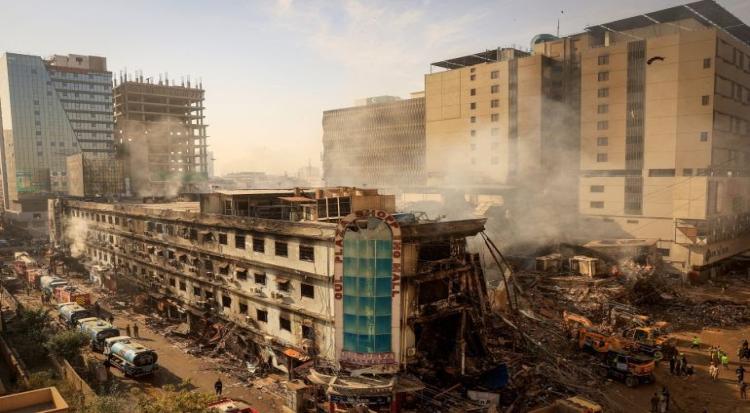
A massive fire tore through Karachi's bustling Gul Plaza shopping mall on January 17, 2026, late at night, claiming at least 61 lives, including a firefighter, amid a chaotic rescue effort that lasted over 24 hours. The blaze, likely sparked by a short circuit in a ground-floor shop, rapidly engulfed the multi-story complex on MA Jinnah Road, home to around 1,200 outlets selling clothing, cosmetics, plastics, and fabrics—highly flammable materials that fueled its spread. Structural collapses trapped shoppers and workers, with reports of locked or inaccessible exits worsening the tragedy; over 20 people were injured, and 84 remain missing, many presumed dead as DNA identification continues. Firefighters from municipal, provincial, and naval units battled thick smoke and rubble, recovering fragmented remains that pushed the toll from an initial six to around 50 by January 21.
Sindh Chief Minister Murad Ali Shah ordered inquiries into glaring safety lapses, including absent sprinklers, alarms, and proper evacuation plans, reigniting debates on Karachi's urban fire risks—its deadliest blaze since 2012's 260-fatality factory inferno. Families lit candles outside the charred ruins, mourning lost livelihoods and loved ones in Pakistan's economic hub.