A widening regional crisis
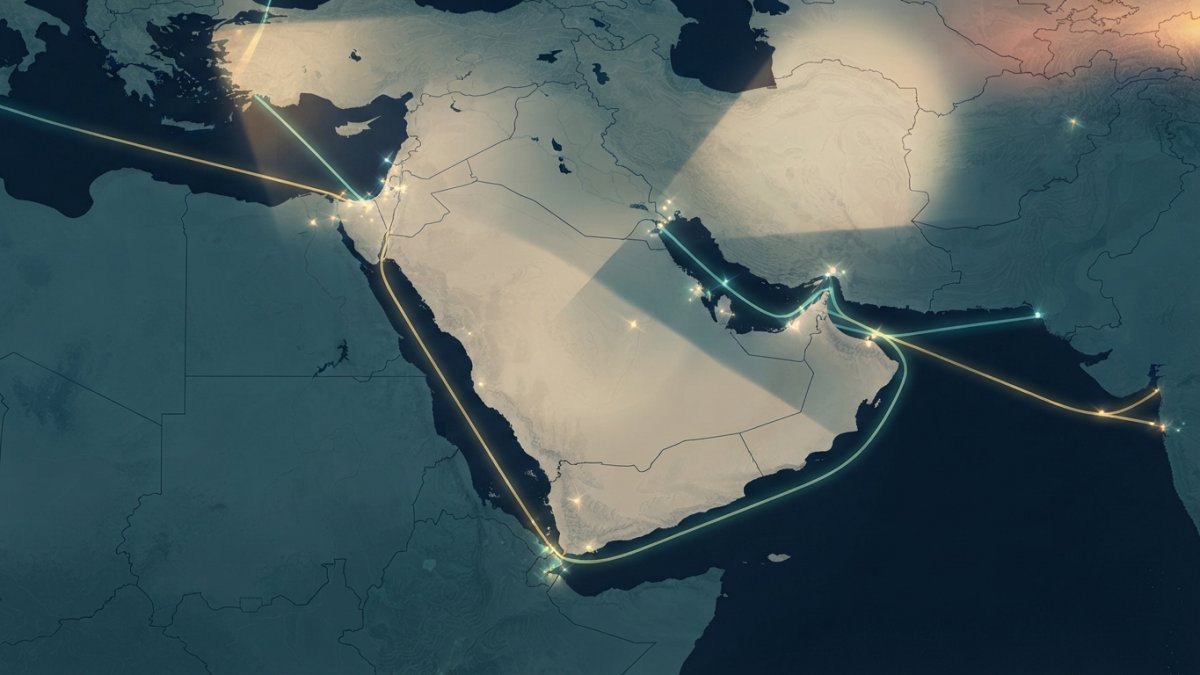
The conflict that began with US-Israeli strikes on Iran on February 28, 2026 has spread beyond the original battlefield. The Strait of Hormuz has become a major point of pressure, and fighting in Yemen has added a second maritime risk around the Bab al-Mandab Strait and the Red Sea.
These developments have left Washington balancing different priorities. Israeli Prime Minister Benjamin Netanyahu has pressed for a hard line against Iran and opposed arrangements that could leave Tehran with significant leverage. Saudi Crown Prince Mohammed bin Salman, meanwhile, is confronting risks to the kingdom's shipping and energy infrastructure as conflict spreads across the region.
Saudi Arabia faces pressure on two fronts
Saudi Arabia and Iran agreed to restore diplomatic relations in March 2023 in a deal brokered by China. The agreement lowered tensions, but it did not remove the two countries' strategic rivalry or eliminate the possibility that a wider war could undo the rapprochement.
The Strait of Hormuz is especially important to Saudi oil exports. The kingdom's East-West pipeline provides an alternative route to the Red Sea, but damage to the pipeline and insecurity near Red Sea shipping lanes have raised fresh concerns about how reliably Saudi energy can reach world markets. Saudi authorities blamed Iraqi armed groups for a September drone attack that damaged the pipeline; that attribution has not been independently established in the information available here.
The Houthi movement's advances along Yemen's western coast have also heightened concern over access to the Bab al-Mandab, a strategic passage linking the Red Sea with the Gulf of Aden. Saudi Arabia has sought US support as it responds to the threat. President Donald Trump has weighed direct action against the Houthis but has so far held back, reflecting the risk of opening another military front while the Iran conflict continues.
Different priorities for Washington
Israel and Saudi Arabia remain US partners, but their immediate goals do not fully align. Netanyahu has argued for sustained pressure on Iran, while Riyadh must consider the consequences of further escalation for its own territory, oil infrastructure and maritime routes. A military campaign that weakens one adversary could also trigger retaliation affecting Gulf states and global energy supplies.
The diplomatic challenge for Washington is therefore twofold: maintain security commitments to its partners while avoiding steps that broaden the conflict. The more fronts that open, the harder it becomes to separate pressure on Iran from the security of Gulf shipping, Saudi infrastructure and Yemen's already fragile situation.
The crisis also underlines the limits of relying on military force to produce political outcomes. Iran's ability to disrupt key waterways and the Houthis' position near the Red Sea show how regional actors can impose costs beyond the battlefield. Whether US policy can contain those risks without drawing the country deeper into the war remains uncertain.
This is an evolving situation. Claims about private conversations between leaders and responsibility for specific attacks should be treated cautiously unless independently confirmed.