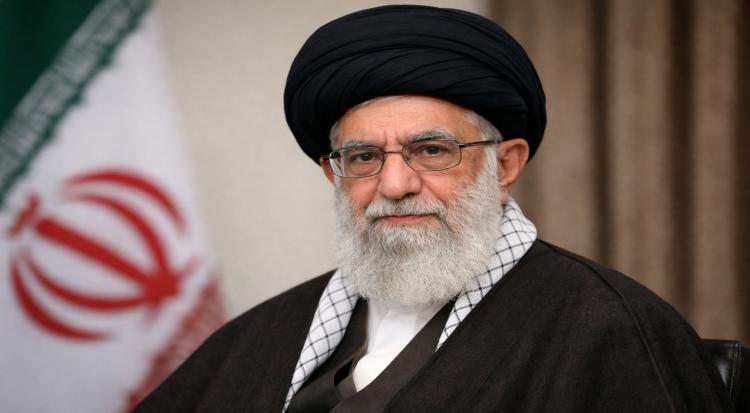
Ayatollah Ali Khamenei, Iran’s supreme leader since 1989, was killed in a strike on his compound in Tehran on 28 February 2026, according to Iranian state media reports. He was 86. Authorities announced 40 days of national mourning, reflecting the religious and political weight of his position.
Khamenei rose to power following the death of Ayatollah Ruhollah Khomeini in 1989 and became one of the Middle East’s longest-serving leaders. As supreme leader, he held ultimate authority over Iran’s armed forces, judiciary and key state institutions. His tenure was marked by tense relations with the United States and Israel, the expansion of Iran’s regional alliances, and strict domestic controls during periods of unrest.
Details surrounding the strike remain limited, though reports indicate his residence was directly targeted amid escalating hostilities.
Reactions have been mixed. While some critics abroad and within diaspora communities celebrated news of his death, many supporters inside Iran mourned the loss of a leader they viewed as a defender of the Islamic Republic.
Under Iran’s constitution, the Assembly of Experts is responsible for selecting a new supreme leader, and no official successor has been announced.