Germany’s ‘Hyper-Zionism’ and the Rise of the Far Right
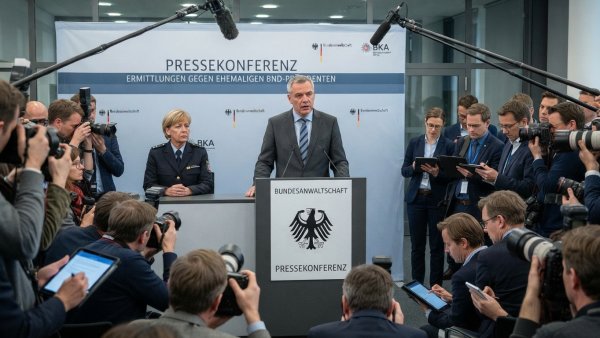
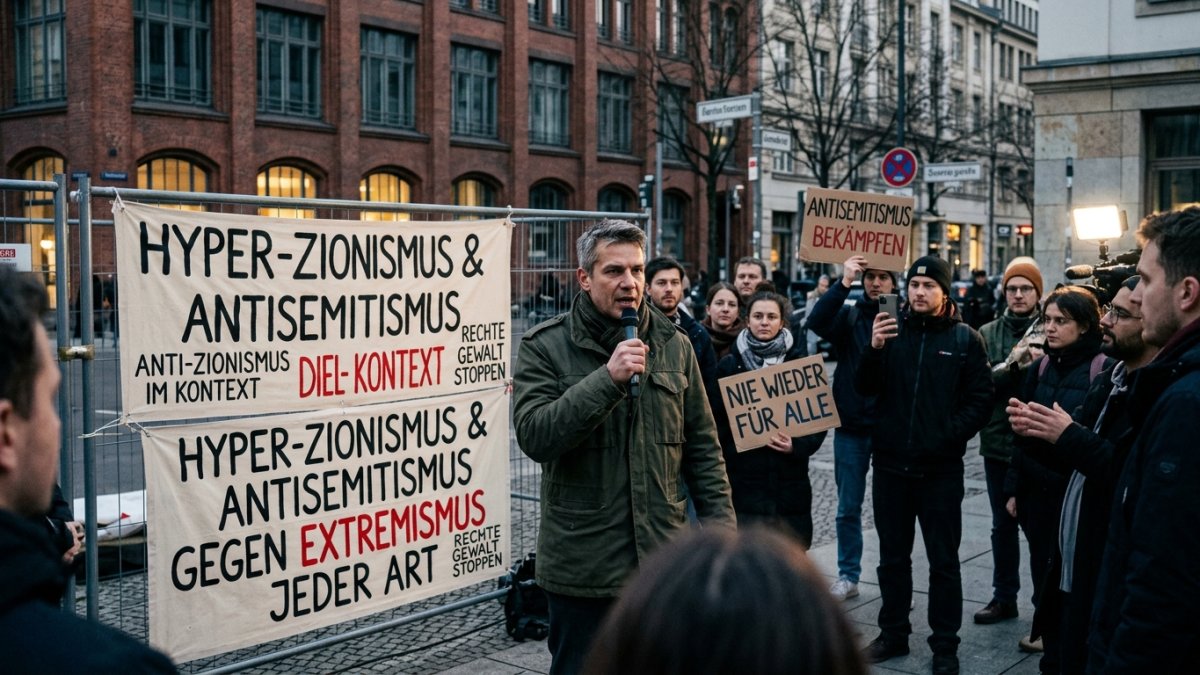
Germany’s debate over antisemitism and criticism of Israel has become increasingly controversial, with critics arguing that anti-Zionism is often treated as synonymous with antisemitism. The issue gained attention after a confrontation in Berlin involving pro-Israel politician Karoline Preisler and a Jewish pro-Palestinian activist.
The debate comes as Germany’s far-right Alternative for Germany (AfD) has achieved major electoral gains. Critics argue that the party’s strong support for Israel and its opposition to antisemitism have helped it present a changed image, despite its history of controversial statements about Jews and minorities.
Experts cited by Middle East Eye say the conflation of antisemitism with criticism of Israel can allow far-right groups to portray themselves as defenders of Jewish people while directing hostility toward immigrants and Muslims.
Germany’s strong commitment to Israel has deep historical roots, but its modern political formulation became particularly prominent when former Chancellor Angela Merkel declared in 2008 that Israel’s security was part of Germany’s “reason of state.” Critics say this approach has increasingly made support for Israel a matter of national identity rather than an issue open to political debate.
The article also highlights Germany’s network of antisemitism commissioners and controversies involving organisations and individuals who support Palestinian rights. One example is Jewish Voice for a Just Peace in the Middle East, which faced an intelligence-service classification that was later overturned by a Berlin court.
Supporters of Germany’s approach argue that confronting antisemitism is essential given the country’s Nazi past. Critics, however, say the fight against antisemitism can be undermined when legitimate criticism of Israel or support for Palestinian rights is automatically treated as anti-Jewish hatred.
The central argument presented by the article is that Germany’s effort to confront its Nazi history has developed into what some scholars describe as “hyper-Zionism,” creating tensions between Holocaust remembrance, support for Israel, freedom of expression and the country’s changing political landscape.