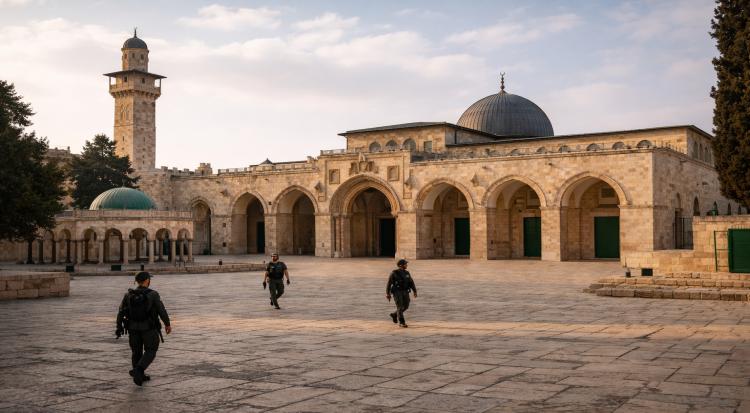
Access to the Al-Aqsa Mosque compound in Jerusalem has been severely restricted for weeks, including during Ramadan and the Eid period, with measures continuing into late March and expected to extend further.
According to multiple reports, Israeli authorities imposed closures and strict limitations that prevented large numbers of Muslim worshippers from entering the site, forcing many to pray outside the compound during one of the holiest periods in the Islamic calendar.
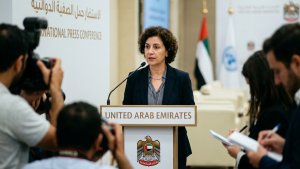
The restrictions, which began earlier in March, have continued beyond Eid, with reports indicating that measures could remain in place until at least mid-April. The situation has drawn international criticism, with at least eight countries, condemning the restrictions and calling for the protection of freedom of worship in Jerusalem.
Israeli authorities have said the measures are necessary for security reasons amid heightened tensions. However, Palestinian officials and religious leaders argue the prolonged restrictions amount to a significant limitation on access to one of Islam’s holiest sites. Al-Aqsa remains a central point of tension in Jerusalem, with access to the compound frequently linked to broader political and security developments in the region.