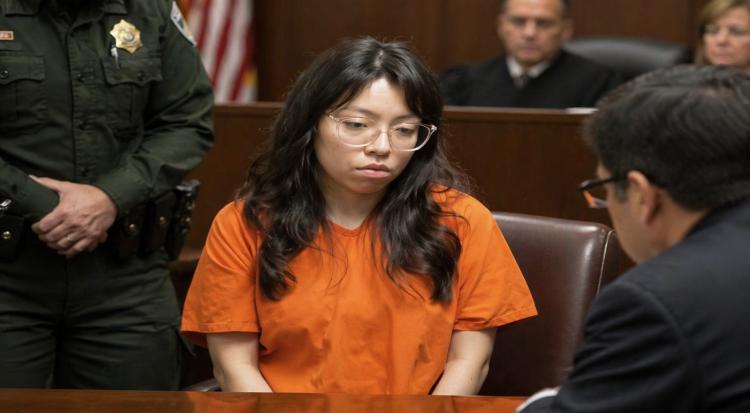
A US college student has been arrested after making a remark about Israeli Prime Minister Benjamin Netanyahu that authorities interpreted as a threat, sparking debate over free speech, proportionality, and political double standards.
According to reports, the student jokingly suggested Netanyahu should “drop bombs” on her college campus in a group chat, prompting law enforcement to intervene and charge her under threat-related laws. She was later released on a $5,000 bond as the case proceeds.
The incident has drawn widespread reaction online, with critics questioning whether the response was excessive. Some argue that a comment made in a private or informal context — without clear intent — is being treated with unusual severity.
At the same time, comparisons have emerged online highlighting what many see as a double standard. Critics point out that Israel’s genocide in Gaza — which have caused tens of thousands of deaths and widespread destruction — have not led to immediate arrests of those responsible, such as Netanyahu who is wanted by the ICC.
while a student making a comment, even as a joke, was quickly detained. They also question why a remark about a foreign leader would lead to an arrest in the United States at all, asking whether criticism of an overseas figure should carry legal consequences, and why authorities appear so quick to act in this case — raising broader questions about political sensitivity and whose interests are being prioritised.
The case has also been fuelled by misinformation. Claims circulating online that the student has been sentenced to, or faces, 15 years in prison have not been confirmed by credible reporting. Legal experts note that while threat-related charges can carry serious penalties in some cases, no such sentence has been established in this instance.
More broadly, the incident raises questions about the limits of free speech in the US — particularly when comments relate to foreign leaders or conflicts. Critics argue that statements about international figures, even controversial ones, should not automatically trigger criminal consequences without clear evidence of intent or risk. The case is likely to continue drawing attention as debates over free expression, security, and political context intensify.