US Carries Out Fresh Strikes on Iran After Tanker Attack in Strait of Hormuz
The United States has launched fresh military strikes on Iran following a tanker attack in the Strait of Hormuz, marking a sharp escalation in tensions despite an interim ceasefire agreement between the two sides.
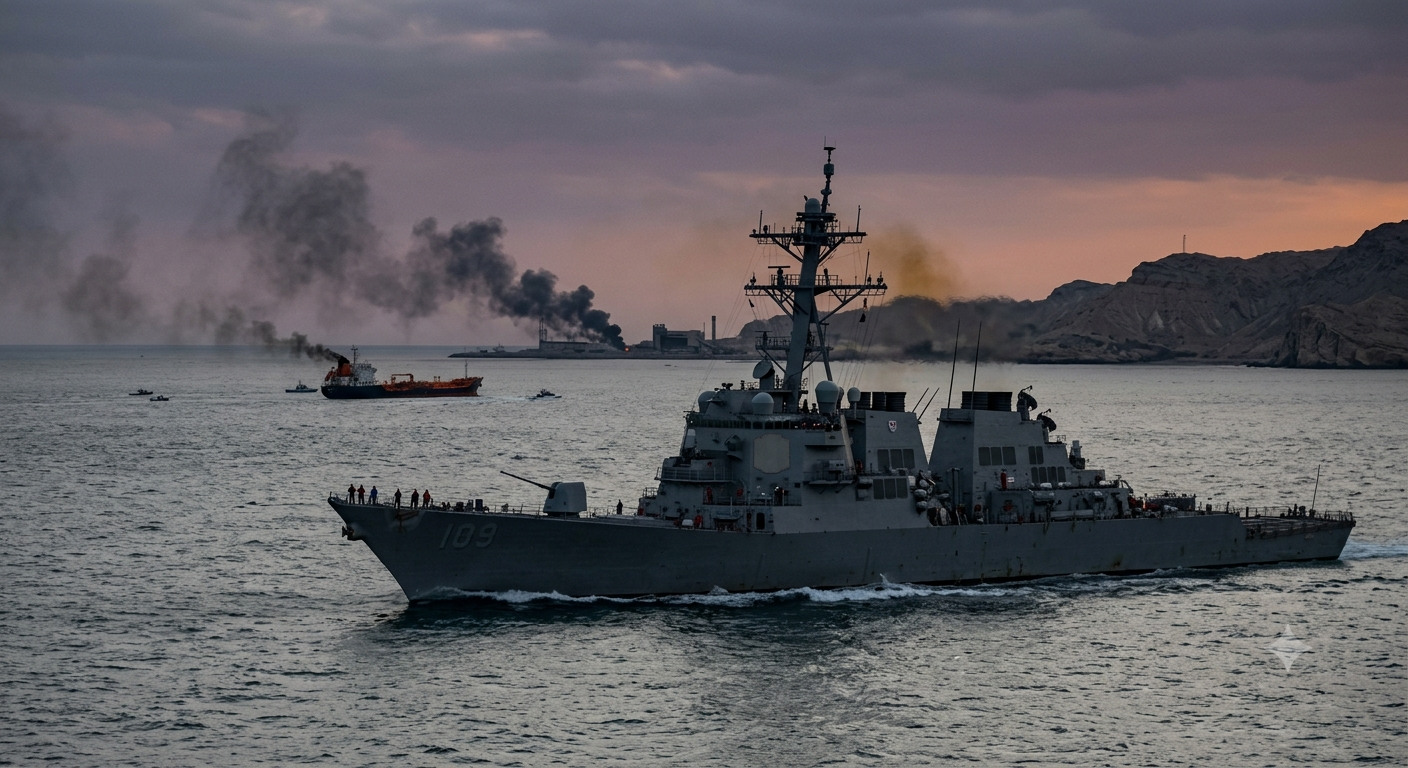
US Central Command said its forces targeted Iranian military infrastructure, including surveillance, communications, air defence, drone storage, and mine-laying facilities. The strikes came after a Panama-flagged tanker was reportedly hit by an Iranian drone, an incident that also followed earlier attacks on commercial shipping in the same strategic waterway.
Iranian state media reported explosions in southern Iran’s Sirik region but did not provide further details. Tehran has accused Washington of violating the ceasefire and said it responded with strikes on US-linked targets in the region.
Washington, however, said Iran was responsible for repeated aggression against commercial shipping and warned that the US had acted in response to continued violations of the agreement. US officials also reiterated that Iran had failed to honour commitments under the interim deal.
The escalation has further destabilised the Strait of Hormuz, a critical global energy route. Security agencies reported tanker damage but confirmed no crew injuries. Maritime authorities raised threat levels as multiple incidents disrupted shipping lanes and forced vessels to adjust routes or seek Iranian approval.
Iran has asserted greater control over the strait, warning ships to follow its navigation instructions or face consequences. Meanwhile, the US and its allies continue to push alternative transit routes along Oman’s coast.
The conflict is also intertwined with broader regional tensions, including ongoing instability in Lebanon and Israeli military activity in the south, which Iran and its allies say are part of wider violations of the ceasefire framework.
US Vice President JD Vance warned that further violence would be met with force, while Iran insisted its actions were defensive and a response to US strikes on its territory.
As both sides exchange blame and military action, the interim ceasefire agreement appears increasingly fragile, with fears rising that the conflict could expand further across the region.