Russia and Ukraine Race Towards AI Warfare With Autonomous Drones
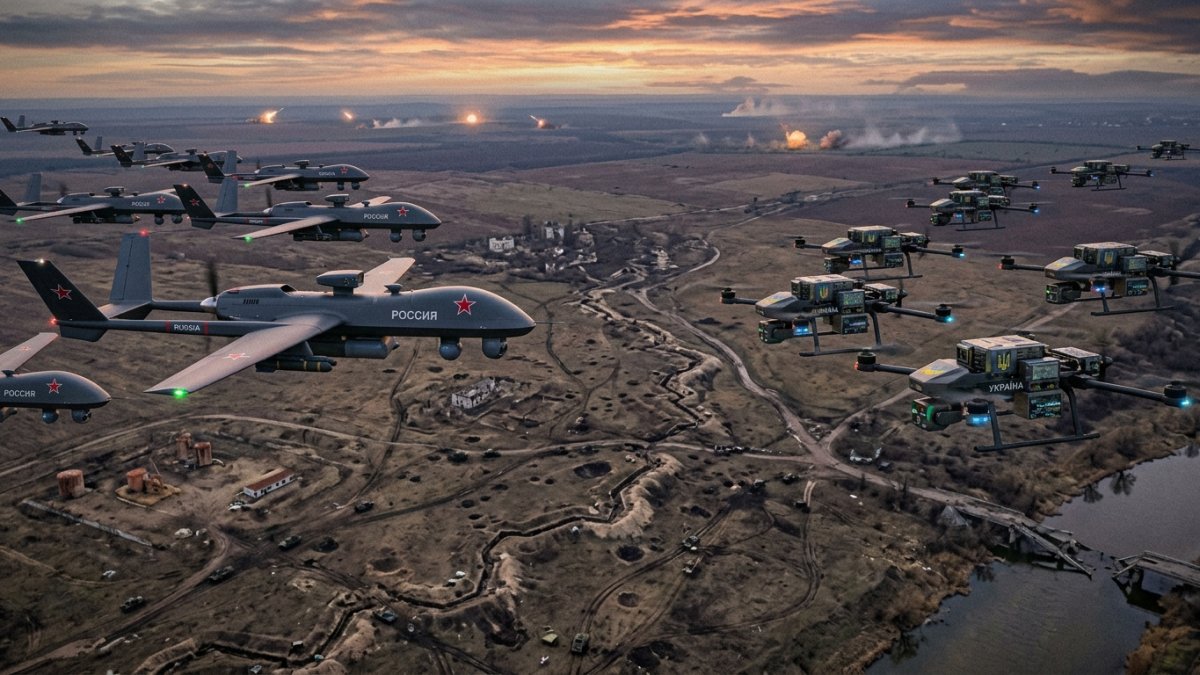
Russia and Ukraine are rapidly expanding the use of artificial intelligence in warfare, with both sides developing systems capable of coordinating drones, identifying targets and accelerating battlefield decisions.
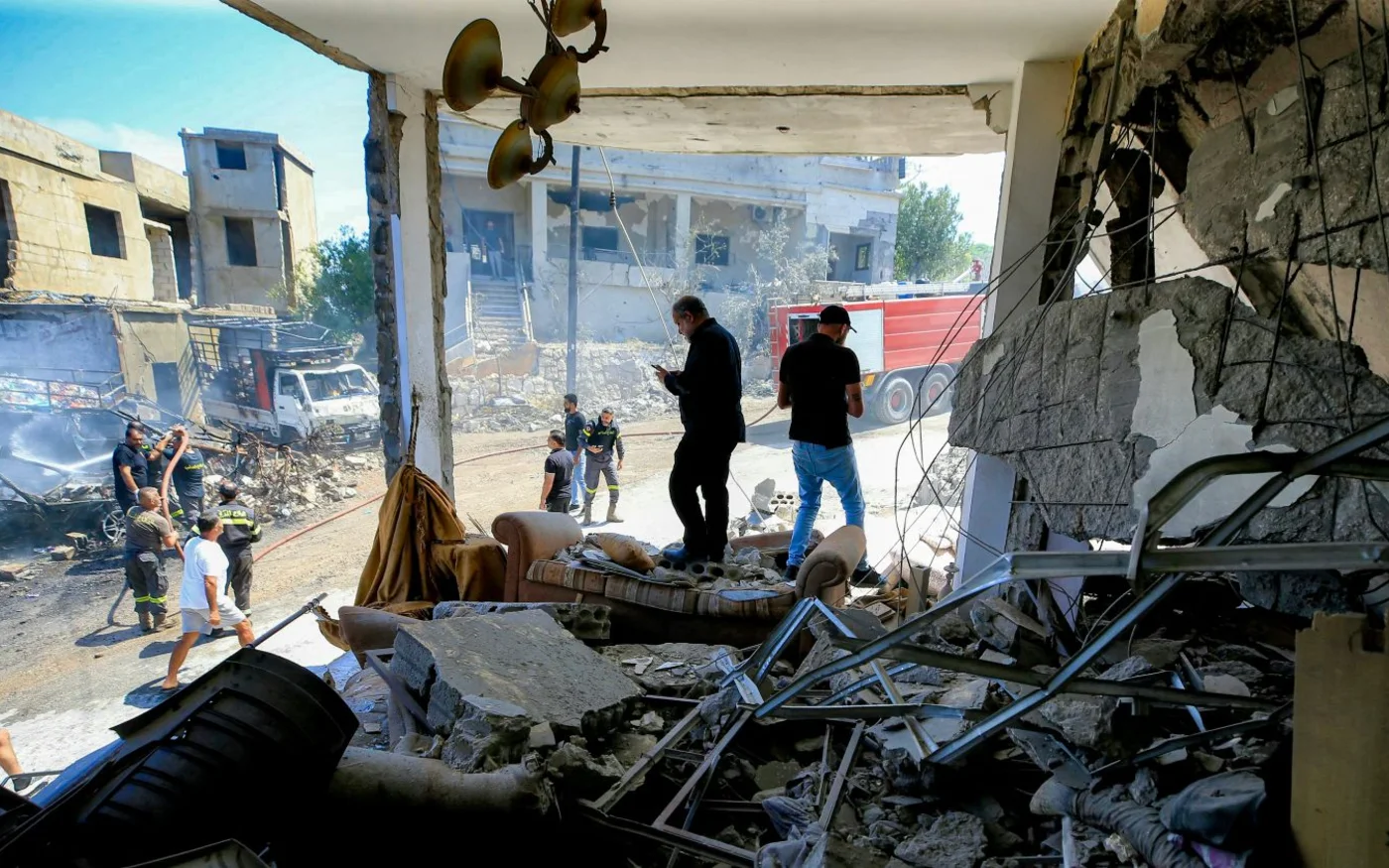
The shift became particularly significant after an apparently fully autonomous Russian attack drone killed three civilians in Zaporizhzhia in July. Ukrainian officials examining the wreckage said the drone contained an AI-powered computer capable of identifying its programmed target, locking onto it and completing the strike without continuous human control.
However, AI drones are only part of a wider military transformation. Both countries are developing battlefield systems that combine information from drones, sensors and other weapons to create a constantly updated picture of enemy positions. These systems can then help direct artillery, missiles and drones toward targets much faster.
Ukraine has developed the DELTA battlefield-management system, while Russia has been deploying its Svod Tactical Situational Awareness Complex. Both systems reportedly provide commanders with options while keeping a human involved in the final decision, although experts question how much influence AI may have over decisions made under extreme battlefield pressure.
Autonomous technology is increasingly being used when drones lose communication links because of electronic warfare or long distances. AI can take control, locate the intended target and complete the mission.
Experts say the competition is no longer simply about producing autonomous drones. The larger race is to make AI systems reliable, affordable and deployable on a massive scale.
The development also raises serious ethical and legal concerns. AI systems can struggle to distinguish civilians from combatants, particularly when drones use low-quality cameras or operate in difficult conditions. Experts warn that greater battlefield automation could make it harder to determine who is responsible when an AI system makes a deadly mistake.