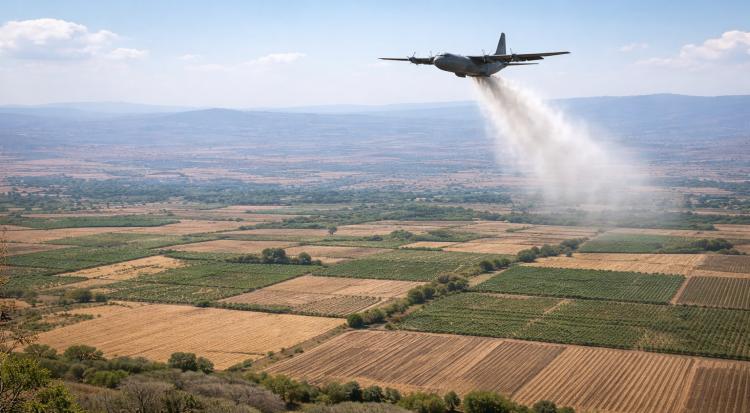
On the morning of February 1, 2026, Israeli aircraft released an unidentified chemical substance—lab tests later confirming glyphosate herbicide at 20-30x normal levels—over southern Lebanese villages including Aita al-Shaab, Ramieh, and Marwahin near the Blue Line. UNIFIL peacekeepers, notified in advance by Israel, sheltered indoors for over nine hours, canceling 10+ patrols along one-third of the border while the Lebanese army collected samples amid reports of unusual odors.
Lebanese President Joseph Aoun condemned the act as a "blatant environmental and health crime" violating sovereignty, part of Israel's pattern targeting farmland despite the 2024 ceasefire—echoing prior Syria sprays (Jan 26-27) and Gaza buffer zones razed with phosphorus. Environment Minister Tamara Elzein warned of soil/water contamination threatening food security in war-ravaged areas.
Local residents voiced alarm to media: Aita al-Shaab farmers told The Guardian the spray risks long-term crop ruin and "ecocide" to displace border communities; Anadolu Agency quoted villagers documenting blighted fields, prompting a UNSC complaint. Rights groups like Euro-Med called it a war crime undermining livelihoods without military need. Israel described it as "non-toxic" vegetation control, but UN concerns persist over civilian health and Resolution 1701 breaches—no illnesses confirmed yet, though analysis continues.