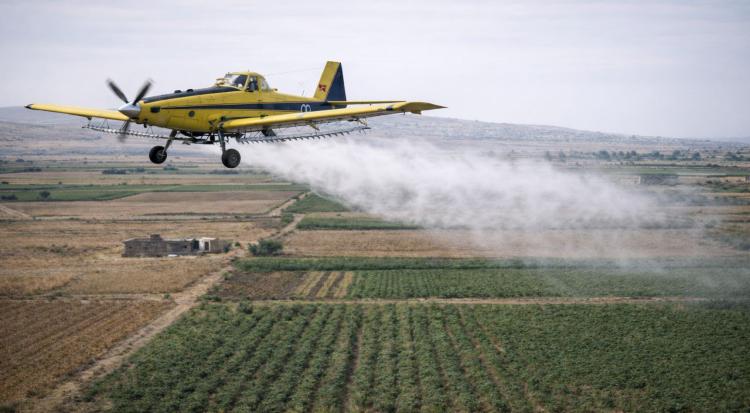
Syrian authorities reported Israeli aircraft spraying unknown chemical substances over farmland in the Quneitra countryside on multiple occasions in late January and early February 2026, marking the second consecutive day of such activity on January 26-27. Local agriculture officials documented damage to around 80 dunams of wheat fields in Kudna village, where crops withered completely, alongside impacts on grazing lands and wild vegetation in areas like al-Asha and al-Rafid.
The operations involved civilian agricultural planes flying low over border areas, with Syrian sources describing the material as herbicides aimed at creating vegetation-free buffer zones to deny cover to potential infiltrators. Quneitra's Environment Director called it a violation of international agreements, while farmers reported threats to livelihoods dependent on agriculture. Samples were collected for analysis, and Syria raised the issue at the UN Security Council.
Israel has not officially confirmed the spraying but Hebrew media reported the IDF Northern Command using such tactics along Syria and Lebanon borders to eliminate plant cover near frontlines, similar to past Gaza practices. UNIFIL in Lebanon noted parallel incidents disrupting operations, though Israel described the substances as non-toxic. Human rights groups like Euro-Med Monitor labeled it a potential war crime, citing risks to food security and calling for independent soil testing.
Environmental damage persists, with experts warning of long-term soil contamination affecting crops, livestock, and water. Both sides maintain heightened alert along the ceasefire line amid Israel's recent buffer zone posts.