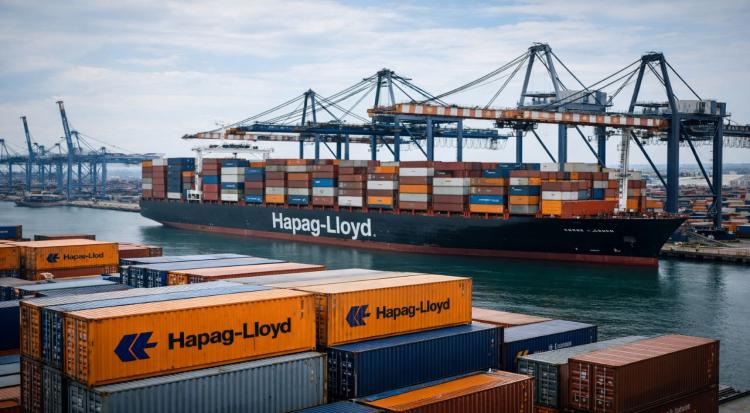
A controversial deal to sell ZIM Integrated Shipping Services, Israel’s largest cargo company, to the German maritime giant Hapag-Lloyd has prompted criticism from workers and analysts who point to broader geopolitical implications.
The $4.2 billion transaction will see Hapag-Lloyd acquire ZIM’s global operations, including its international fleet and trade routes, while an Israeli private equity fund, FIMI Opportunity Funds, will take control of certain domestic operations. The arrangement is designed to comply with Israel’s “golden share,” which ensures state control of strategic assets.
What has drawn particular scrutiny is the ownership structure of Hapag-Lloyd, in which the Qatar Investment Authority and Saudi Arabia’s Public Investment Fund hold significant minority stakes. Critics say the sale raises questions about foreign influence in a key Israeli industry and potential national security implications.
The acquisition has already sparked unrest among ZIM employees, with strike actions disrupting operations in ports including Haifa. Some local leaders and union representatives have voiced concerns about jobs and the long-term economic impact of the deal.
While Israeli authorities have not publicly blocked the transaction, debate continues over the strategic ramifications of transferring control of a flagship carrier to a company with Gulf-linked shareholders.