Iran War Hits Americans at Gas Pumps as Energy Costs Surge
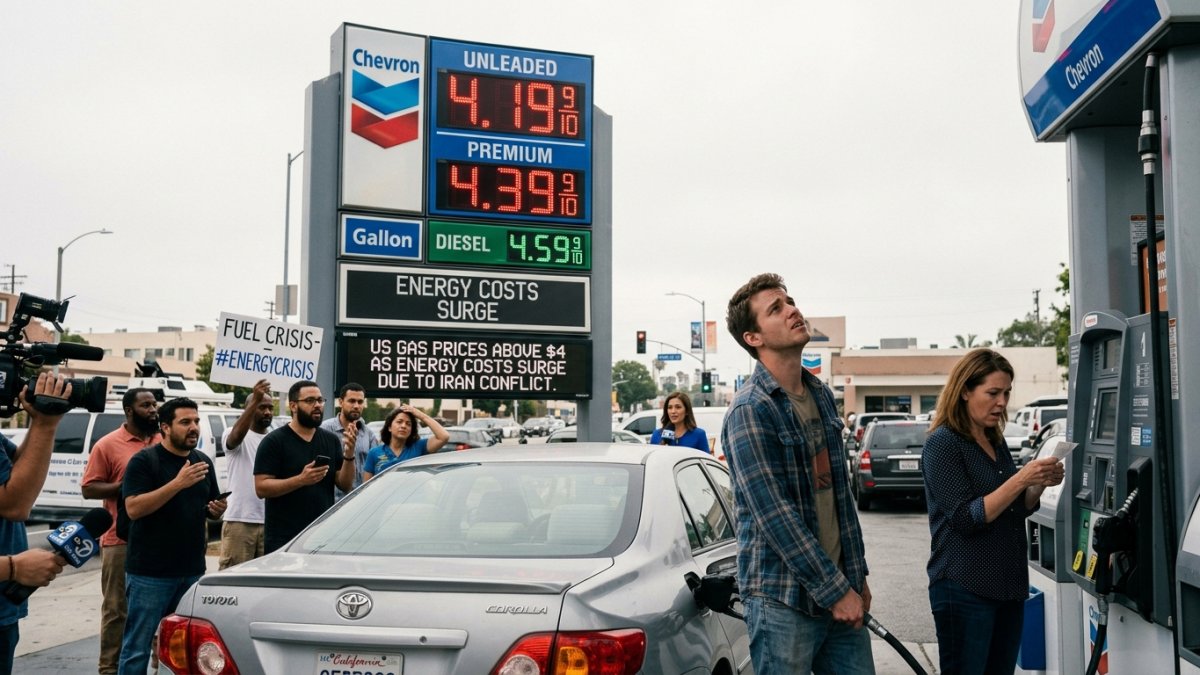
Nearly six months into the US war with Iran, the conflict is increasingly affecting Americans through higher gasoline prices, airfares and household expenses rather than only on the battlefield.
The US national average price for regular gasoline reached $4.006 per gallon on August 10, according to the Energy Information Administration. That is significantly above the $3.10 average recorded in 2025. Gasoline prices were also 24.6% higher than a year earlier, while overall energy prices rose 14.7%.
The effects extend beyond fuel. Higher oil prices raise transportation and manufacturing costs, potentially pushing up prices for food and other goods. Airline fares were 25.5% higher year-on-year in July, while Gulf Coast jet fuel prices were nearly 68% above January levels.
The economic pressure is becoming a political problem for the Trump administration. A Pew survey found that 69% of Americans feared the Iran war would increase fuel prices, while later polling showed majority opposition to US military strikes against Iran.
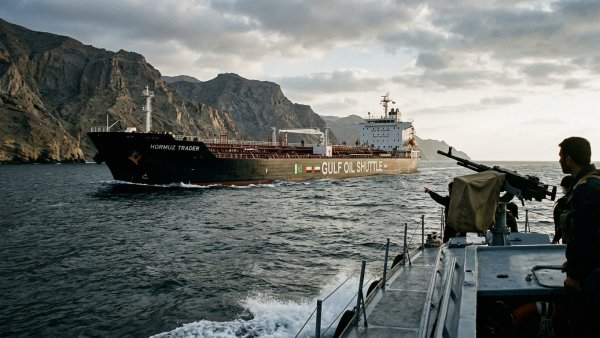
The Strait of Hormuz remains central to the crisis. Around 20 million barrels of oil passed through the waterway each day in 2024, meaning disruptions can affect global oil prices even if the US imports relatively little oil directly through the strait.
With Brent crude near $88 a barrel and WTI around $82, further attacks or restrictions around Hormuz could keep prices elevated. For Washington, the conflict is therefore becoming not only a foreign-policy challenge but also a growing cost-of-living and political vulnerability at home.