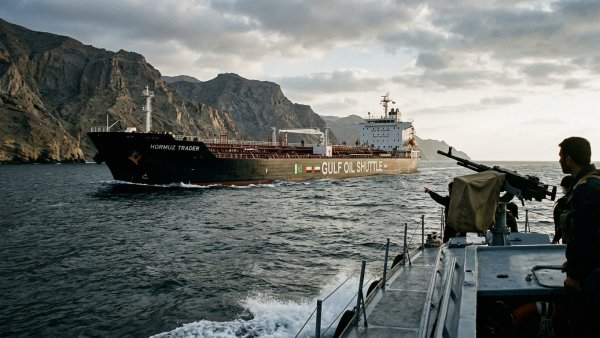
The ongoing US-Iran war is putting pressure on major Gulf states to reconsider the scale and timing of their investment commitments to the United States, according to a new analysis by the Peterson Institute for International Economics (PIIE).
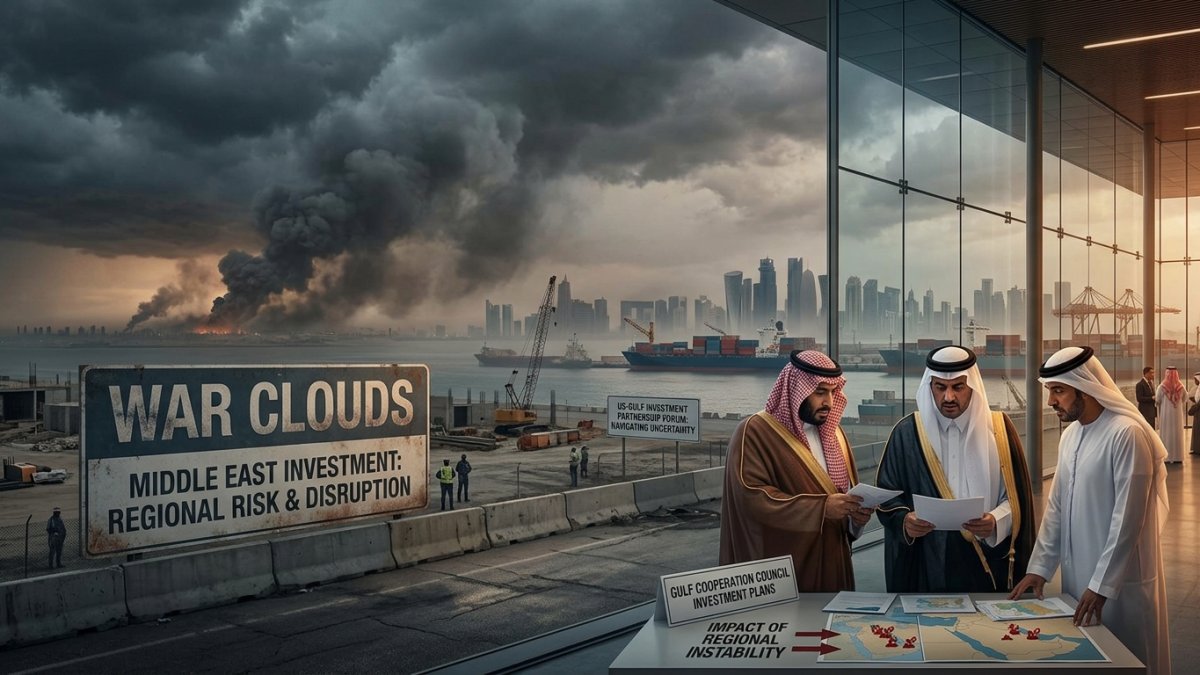
Saudi Arabia, Qatar and the United Arab Emirates have announced nearly $4 trillion in economic commitments to the US under President Donald Trump’s “America First” agenda. However, the conflict has increased their financial demands, including higher spending on defence, energy infrastructure and trade.
The PIIE report says the war has weakened the Gulf economies’ fiscal positions and growth prospects while also affecting their confidence in the US security role in the region.
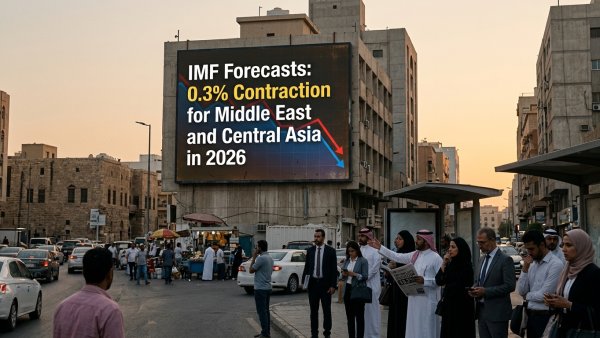
The International Monetary Fund has significantly reduced its 2026 growth forecasts for the three countries. Qatar’s forecast was cut to 8.6 percent, while Saudi Arabia’s and the UAE’s were both reduced to 1.7 percent.
Despite the pressure, the Gulf states have substantial financial assets and borrowing capacity, meaning they are not facing an immediate funding crisis. However, governments may increasingly prioritise domestic investment over projects in the US.
Saudi Arabia had already been shifting more of its sovereign wealth toward domestic projects. The share of international investments in the Public Investment Fund’s portfolio has fallen from 30 percent in 2020 to about 20 percent.
Qatar continues to expand its US energy investments, including LNG production in Texas. Meanwhile, QatarEnergy is negotiating additional agreements with US LNG producers after Iranian attacks damaged Qatari LNG facilities.
The PIIE report also highlights political scrutiny in Washington over Gulf investments in US companies and infrastructure. It says unclear timelines and definitions surrounding the announced commitments could make it difficult to determine how much of the promised investment will ultimately be delivered.