Tens of thousands of Palestinian worshippers gathered at Jerusalem’s Al-Aqsa Mosque during the early days of Ramadan, with estimates ranging from 80,000 to around 100,000 people attending Friday prayers despite heightened Israeli security restrictions.
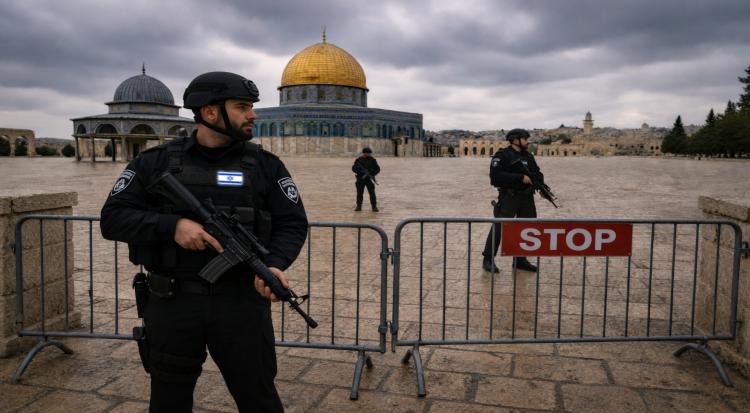
The compound, one of Islam’s holiest sites, traditionally draws large crowds during the holy month. However, Israeli authorities imposed entry limitations on West Bank Palestinians, including age restrictions and permit requirements, significantly reducing access compared with previous years.
In the days that followed, Israeli forces further tightened control around the site. On the 11th day of Ramadan, security forces closed the gates of the Al-Aqsa compound and ordered worshippers to leave, effectively halting prayers at the mosque. Local reports also cited detentions and confrontations in and around Jerusalem’s Old City as tensions escalated.
Palestinian officials and religious leaders condemned the restrictions, describing them as a severe limitation on freedom of worship during a sacred period. Israeli authorities have said the measures are necessary for security reasons amid ongoing regional tensions.
The developments have added to broader unrest in Jerusalem and the occupied West Bank, where confrontations have intensified in recent days. With Ramadan underway, concerns remain high that access to the mosque — a longstanding flashpoint — could continue to fuel tensions.