Gulf countries are facing growing concerns over food supply and water security as the escalating regional conflict threatens key trade routes and supply chains.
Many states in the Gulf depend heavily on imported food that passes through major shipping routes in the Middle East. Disruptions to maritime traffic and regional instability have raised fears that shipments of grain and other essential goods could be delayed.
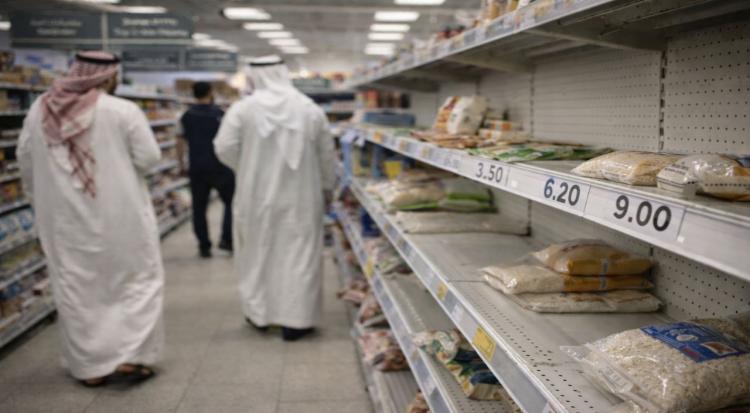
Analysts say the situation could push food prices higher across the region. Countries such as Saudi Arabia, the United Arab Emirates and Qatar import a large share of their food supplies, making them vulnerable to global price fluctuations.
Water security is also a concern for many Gulf states, where most drinking water is produced through desalination plants that rely on stable energy and infrastructure systems. Experts warn that continued conflict in the region could increase economic pressure on Gulf economies and contribute to higher food inflation in the months ahead.