Guantánamo's Endless Nightmare
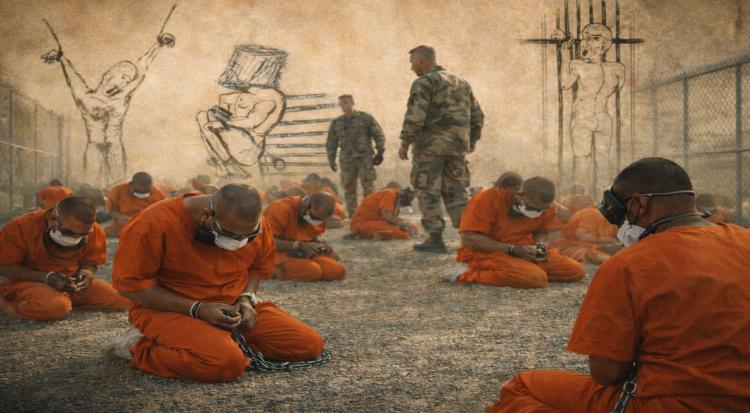
Guantánamo Bay detention camp sits on a remote U.S. naval base at Cuba's southeastern tip, an inescapable island fortress. President George W. Bush chose it to evade U.S. legal oversight as part of the U.S. "War on Terror," housing initial Taliban and al-Qaeda suspects in orange jumpsuits and open-air cages. Launched January 11, 2002, nearly 800 Muslim men, mostly Afghans, Saudis, and Yemenis, were held there over two decades, many without charges, enduring torture, hunger strikes, and indefinite detention.
Drawings Reveal CIA Torture
Abu Zubaydah's sketches expose CIA horrors—wall-chaining, waterboarding (83 times, despite no proven 9/11 ties), and sleep dousings—details that lawyers fought for years to declassify. Ex-detainee Mohammed Farik Bin Amin's portraits show forced nudity, mock drownings, and isolation, turning his artwork into therapy born from a plea deal and years of abuse.
Hundreds Freed, Few Remain
Of 779 detainees, 755 were transferred or released and nine died (mostly alleged “suicides”), with releases accelerating under President Obama (196 freed) and President Biden (25 sent home). Recent moves include 11 Yemenis to Oman in January 2025 after more than 20 years, Kenyan Mohammed Abdul Malik Bajabu, Tunisian Ridah al-Yazidi, and Malaysian detainees via plea deals in late 2024, with many men resettled in Oman, Saudi Arabia, or third countries like Ghana and Slovakia—one prisoner even inspired the movie The Mauritanian based on his ordeal there.
15 Forever Prisoners
As of January 2026, 15 men remain as the prison enters its 24th year. Among them are three cleared for transfer but still trapped; "forever prisoners" like Ali Hamza al-Bahlul (serving a life sentence for conspiracy in near-total solitary confinement); and nine facing stalled military trials where evidence was gathered through torture, including USS Cole and 9/11 suspects such as Khalid Sheikh Mohammed. Aging detainees suffer worsening medical problems amid annual operating costs exceeding $500 million.
Trump's Migrant Twist
The Trump administration has repurposed parts of the facility to detain more than 700 immigrants since February 2025, sparking outrage over inhumane conditions and alleged rights abuses. Human rights groups continue to demand closure, justice for survivors, and accountability, as the military trial system—plagued by endless delays and unusable torture-extracted evidence—leaves 9/11 victims' families without closure after 24 years, and with President Trump in office, prospects for shutting Guantánamo appear dim despite global condemnation.