Germany’s domestic intelligence agency has come under criticism after publishing a dossier describing parts of the country’s pro-Palestinian movement as “secular extremist” groups, a move that activists and civil liberties advocates say unfairly targets people protesting against the Genocide in Gaza.
The report claims some activist networks have used anti-Israel rhetoric or promoted radical views during demonstrations linked to the conflict. However, critics argue the classification risks portraying ordinary protesters, students and human rights campaigners as security threats for expressing solidarity with Palestinians.
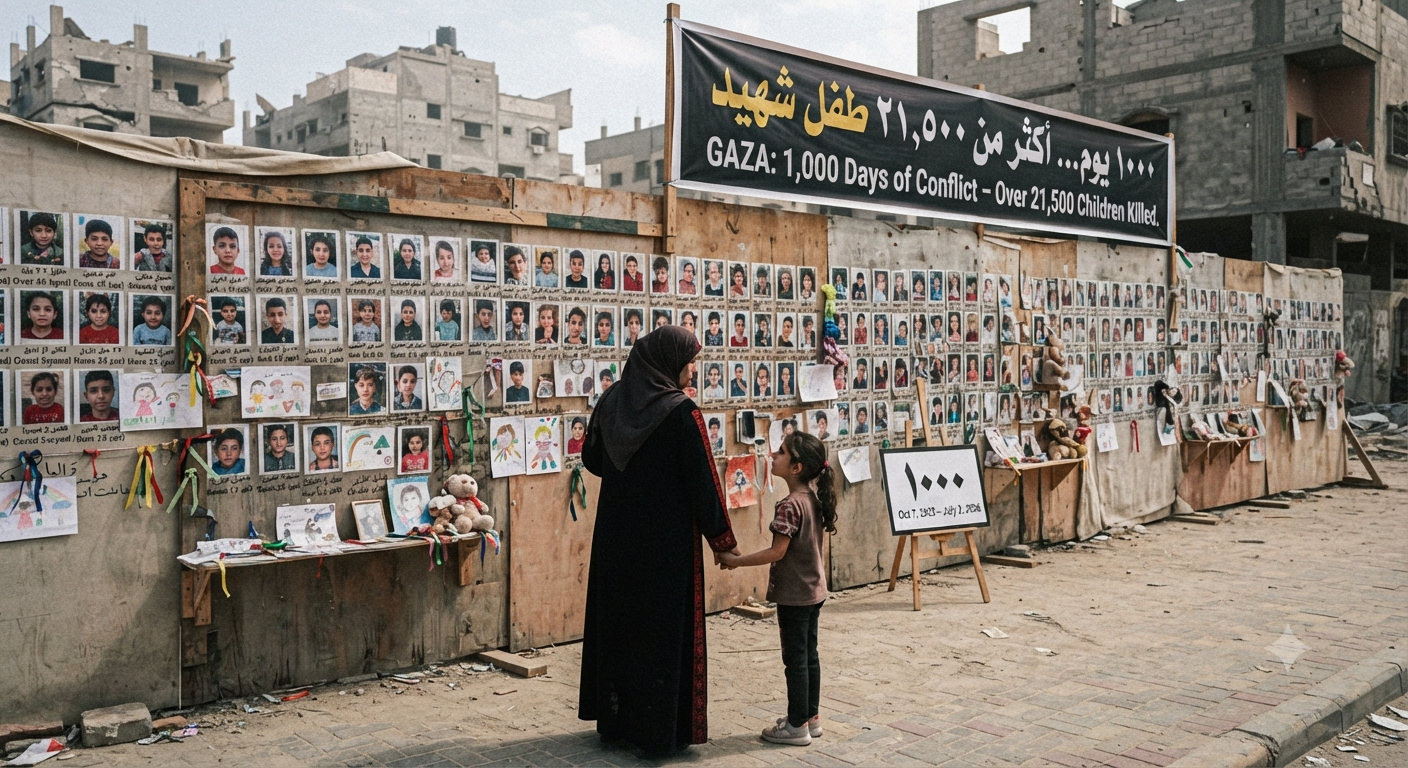
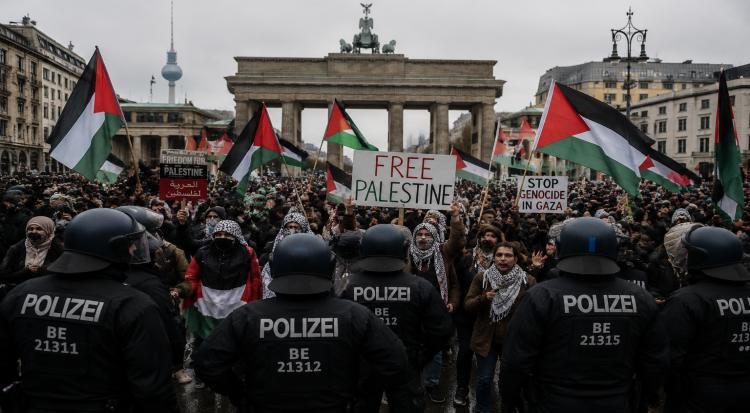
Germany has witnessed large pro-Palestinian demonstrations since the Gaza war intensified, with many protesters calling for a ceasefire, humanitarian aid access and an end to civilian casualties. In several cities, authorities have restricted rallies, detained demonstrators and increased police presence around protests.
Police actions during some demonstrations have also sparked controversy. Videos shared online and statements from advocacy groups have shown officers using forceful arrests, pepper spray and crowd-control tactics against protesters, including women and students. Rights organisations and activists have accused the German government of suppressing political expression and creating a climate of fear around Palestine solidarity activism.
German officials have defended the measures as necessary to maintain public order and prevent hate speech or violence. The debate has intensified broader discussions across Europe over free speech, protest rights and criticism of Israeli government policies.