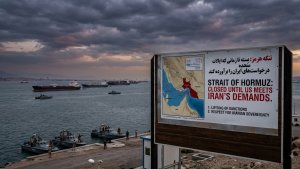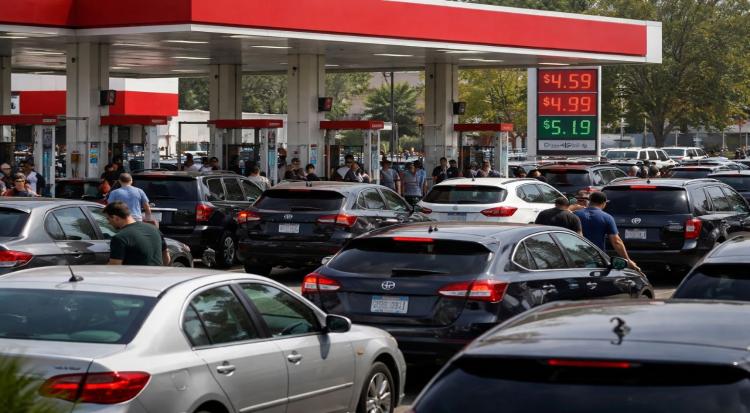
The ongoing Iran conflict has had significant global economic repercussions, affecting fuel prices, transportation, and daily consumer costs. Countries reliant on oil imports reported sudden spikes in gasoline and diesel prices, leading to long queues at petrol stations in parts of Europe, the U.S., and Asia. Analysts warn that sustained conflict could worsen inflation and disrupt supply chains for essential goods.
Financial markets reacted to the instability, with crude oil prices reaching multi-year highs, and stock indices fluctuating in response to uncertainty over regional stability. Economists note that countries with limited energy reserves are particularly vulnerable, prompting governments to consider emergency measures, including subsidies and strategic fuel releases, to mitigate consumer hardship.
While the conflict primarily involves Iran and Israel, its ripple effects are global. The World Bank and International Monetary Fund have urged international coordination to stabilize markets and support nations most affected by energy shortages.