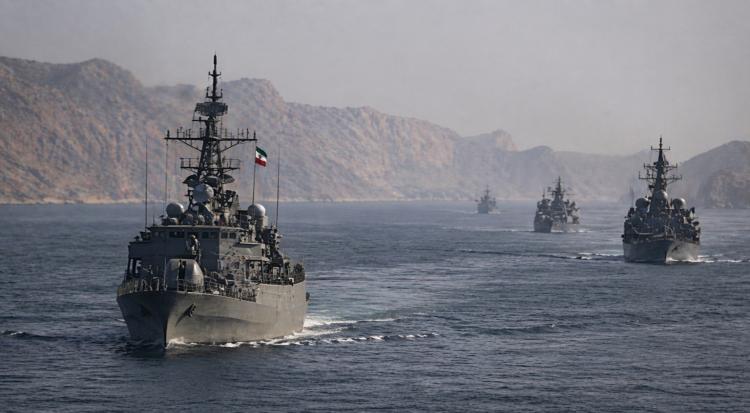
The European Union is preparing to widen its sanctions against Iran to target individuals and entities accused of obstructing shipping through the Strait of Hormuz, a key global energy route.
The move comes after the strategic waterway — through which roughly 20% of the world’s oil and gas supplies pass — has faced major disruption for weeks amid escalating tensions in the region.
EU officials said there is political agreement to expand the sanctions framework so that those responsible for blocking freedom of navigation in the strait can be formally listed and penalised. New measures are expected to take several weeks to prepare before being implemented.
The disruption follows heightened military tensions involving Iran, the United States, and Israel earlier this year, which have significantly impacted global energy markets and shipping routes.
However, the proposed sanctions have drawn criticism from some observers who question whether the response is being applied evenly. Critics point out that while Iran is being targeted for restricting access to the waterway, the United States has also announced and enforced measures to block Iranian maritime traffic. Reports have described US military actions aimed at preventing ships from entering or leaving Iranian ports during the escalation.
They argue this raises a broader question: if restrictions on navigation are the basis for sanctions, why similar actions by other parties are not facing the same consequences.
The Strait of Hormuz remains one of the world’s most critical maritime chokepoints, and any sustained disruption continues to pose risks to global energy supplies and economic stability.