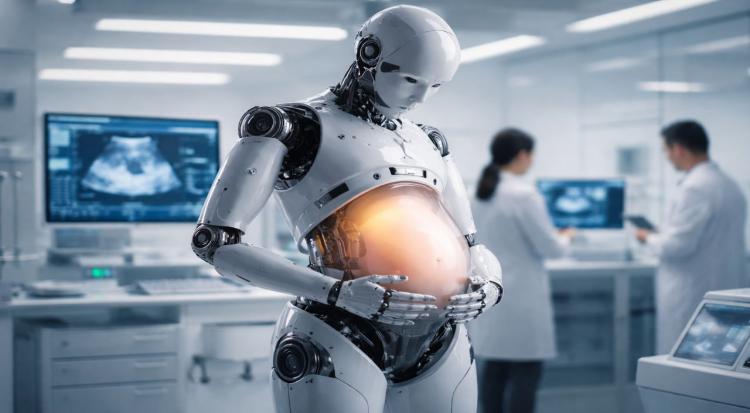
In August 2025, Chinese robotics firm Kaiwa Technology announced development of the world's first humanoid robot capable of simulating full-term human pregnancy using an integrated artificial womb. Led by Dr. Zhang Qifeng at the World Robot Conference in Beijing, the prototype—priced around 100,000 yuan ($14,000 USD)—aims to support infertility treatments by gestating embryos in synthetic amniotic fluid with precise nutrient and oxygen delivery, monitoring fetal development externally.
Building on 2017 U.S. "biobag" tech that sustained premature lamb fetuses for weeks, Kaiwa's robot incorporates advanced hydraulics and AI for realistic gestation up to birth. Targeted for 2026 unveiling, it's designed for high-risk pregnancies or parental monitoring, potentially revolutionizing reproductive medicine amid China's low birth rates (6.39 per 1,000 in 2025).
Ethical concerns dominate: critics fear dehumanization of birth, regulatory gaps, and inequality in access, with bioethicists calling for global standards. Supporters highlight solutions for 15% of couples facing infertility. As of February 2026, no operational prototype has launched—project remains in late-stage R&D amid hype and skepticism, with no official updates since announcement.