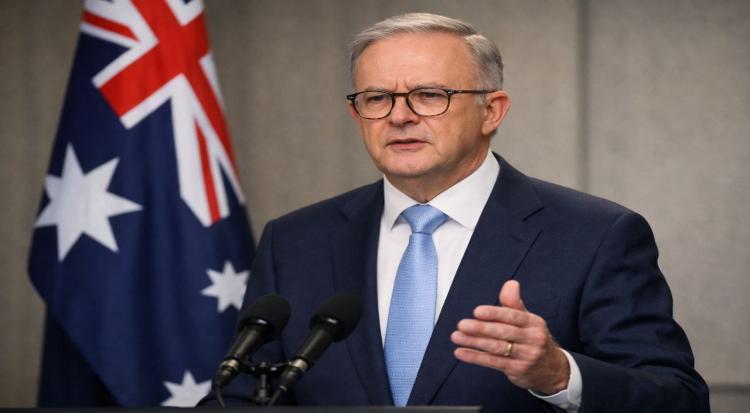
Australia's federal government passed comprehensive new hate crimes legislation on January 20, 2026, directly responding to the Bondi Junction Westfield shooting and a 400% surge in antisemitic incidents since late 2025. Prime Minister Anthony Albanese framed the Combatting Antisemitism, Hate and Extremism Bill as a "line in the sand" against threats to Jewish communities, imposing up to three years imprisonment for inciting violence based on religion, race, or ethnicity. The laws close state-level gaps and take immediate effect nationwide.
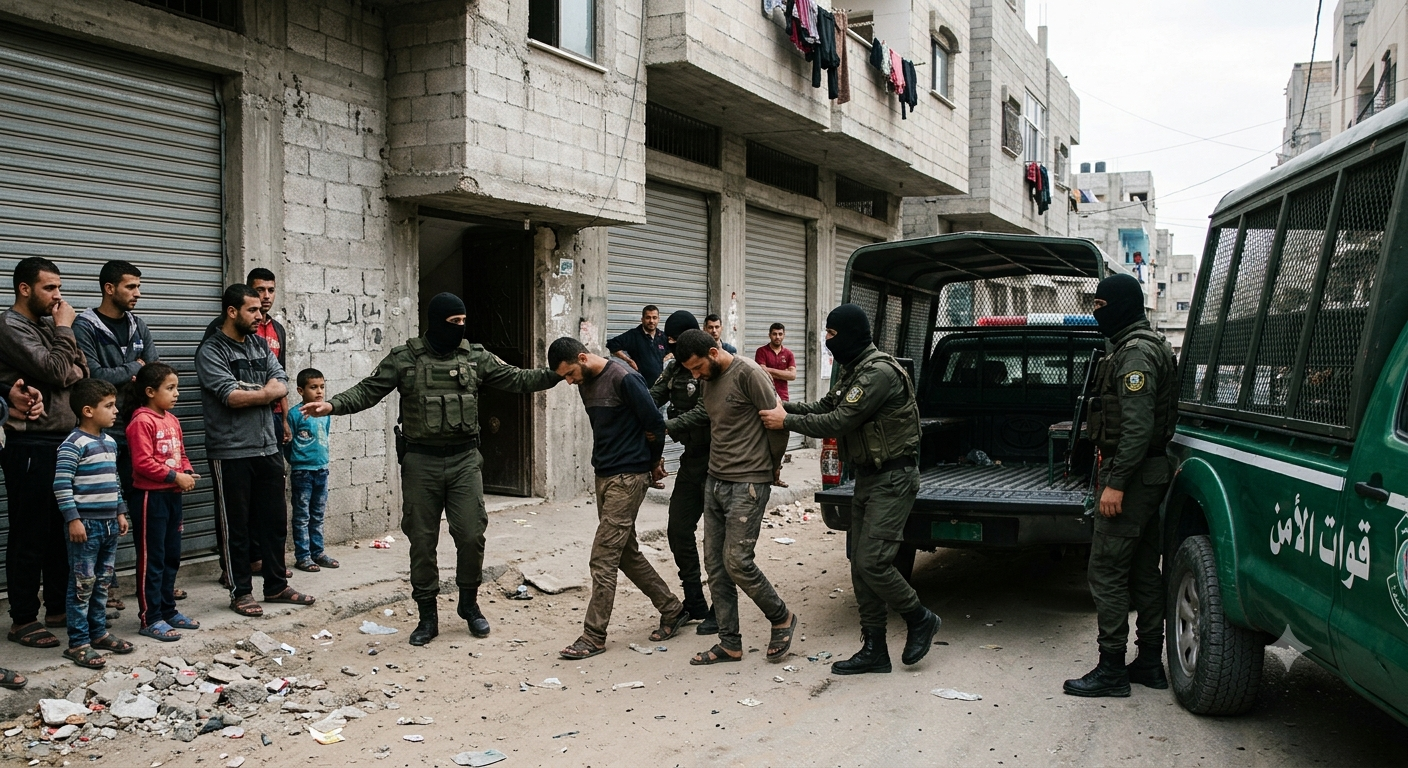
The Bondi attack, targeting Jewish sites during Hanukkah and injuring six, catalyzed the reforms amid 1,200 reported hate crimes in 2025. Police noted neo-Nazi activities and protests amplifying antisemitism. Yet Islamophobic attacks have tripled in parallel—including mosque firebombings in Sydney and Melbourne, assaults on hijab-wearing women, rampant online doxxing, and the January 10 assault on Bosnian Imam Ismet Purdic and his wife, who were attacked and threatened in Dandenong. These receive far less political urgency or media focus despite devastating Muslim families daily.
Provisions mandate swift content removal from platforms and enhanced police training. While Jewish leaders praised the action, Muslim advocates decry uneven attention, urging equal safeguards as communities grapple with rising tensions. Critics like the Greens flag free speech concerns, but the government prioritizes immediate protections.
Communities await how these laws unfold in practice. Will they equally shield all faiths, including rising Islamophobic cases, or become another tool perceived as favoring Jewish protections amid ongoing disparities? Muslim leaders hope for fairness, while skeptics brace for double standards in application.