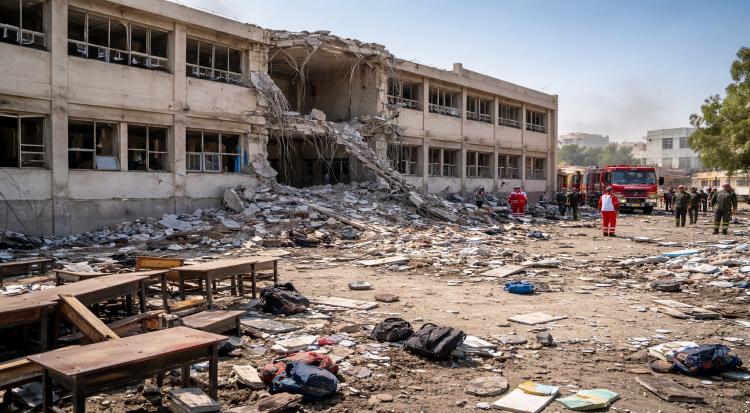
At least 85 people, most of them young girls, were killed and more than 90 others injured after an Israeli-US airstrike struck an all-girls primary school in southern Iran on the morning of 28 February 2026.
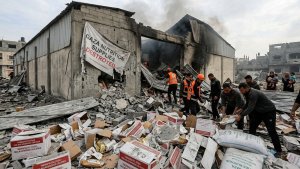
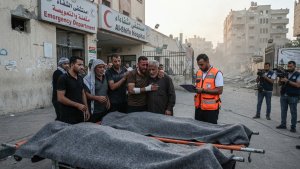
The strike hit the Shajareh Tayyebeh primary school in Minab, Hormozgan province, while children were inside the building. Local hospitals were said to be overwhelmed as emergency teams worked through debris and collapsed sections of the school.
Iranian officials said rescue operations were ongoing late into the evening, warning that the death toll could rise as crews search for victims trapped under rubble. Images circulating on regional media showed extensive structural damage and emergency responders pulling survivors from the site.
The school strike occurred during a wider wave of joint US–Israel military action inside Iran earlier in the day. Washington and Israeli officials have said their strikes were aimed at military targets. Tehran condemned the incident as a “massacre” and called for international accountability.
The incident has also drawn renewed attention to the vulnerability of educational facilities in modern conflicts. United Nations agencies have previously reported that a vast majority of school buildings and education facilities in Gaza sustained heavy damage during the war, underscoring the scale of impact on civilian infrastructure.
Critics argued that the strike on a primary school within hours of the escalation reflects a disturbing pattern seen during the Gaza Genocide, where more than 90% of educational facilities were reported damaged or destroyed by Israeli bombardment. They say the Minab incident reinforces longstanding accusations that civilian infrastructure — particularly schools — is repeatedly caught in Israeli military operations.
The Minab strike marks one of the deadliest reported civilian casualty events in the current crisis and has intensified international concern over the widening conflict.