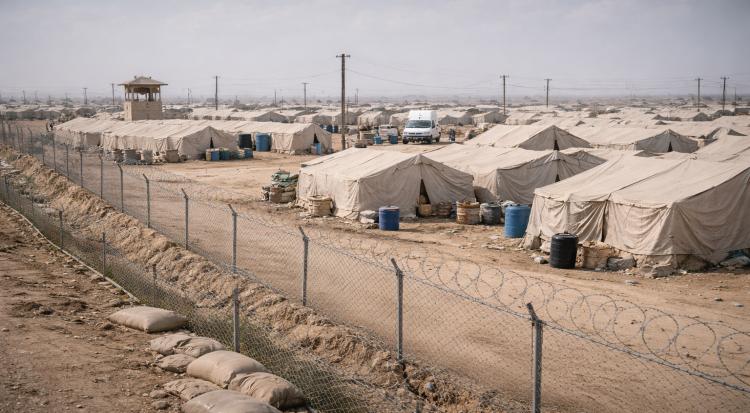
A group of 34 Australian women and children detained for years at Syria’s al-Roj camp were briefly released in mid-February 2026 in an attempt to leave the country, but were later returned to the camp after their planned departure stalled.
The group — wives, widows and children of deceased or imprisoned Islamic State (IS) fighters — left the Kurdish-administered camp intending to travel toward Damascus as a first step toward returning to Australia. However, the process halted amid unresolved administrative and diplomatic arrangements, and they were subsequently sent back to al-Roj.
The episode highlights the complex coordination required between Kurdish authorities, Syrian state officials and Australia. While local authorities facilitated their initial release from detention, the Australian government has maintained a firm policy of not actively assisting in the repatriation of citizens linked to IS, citing national security concerns.
Human rights advocates argue that prolonged detention in camps such as al-Roj — particularly for children — raises serious humanitarian concerns. Critics say Australia’s reluctance to facilitate returns has contributed to uncertainty surrounding the group’s status, leaving women and children in legal and diplomatic limbo.